

Exploring Traditions of Christmas Easter Beer and Halloween in Germany
Germany is a land where traditions are woven into the very fabric of daily life. Festivals in this country are not simply dates marked on a calendar—they are experiences that reflect history, family bonds, local pride, and national identity. Every season brings its own celebrations, from the warmth of Christmas markets to the colorful eggs of Easter, the lively joy of Oktoberfest, and the playful thrills of Halloween.
Germans are thoughtful, not extravagant, when it comes to greeting cards. They are most commonly used at Christmas, birthdays, weddings, and anniversaries. Easter comes next, while other festivals like Oktoberfest and Halloween involve cards only in niche ways. Older generations in Germany tend to value handwritten notes highly, while younger people lean toward digital greetings. Yet, even in the digital age, physical cards are far from obsolete. They offer something technology cannot: a personal touch, the effort of handwriting, and the joy of holding a tangible token of care.
Christmas: The Heartbeat of German Culture
Christmas in Germany is more than a holiday—it is a season. Its roots run deep, with many global traditions originating here: the Christmas tree (Tannenbaum), Advent calendars, and the beloved Christmas markets (Weihnachtsmärkte). The season begins in late November with Advent. Families place an Advent wreath on the table and light candles each week leading up to Christmas Eve. Children count down the days with calendars filled with chocolates or small gifts. In towns and cities, Christmas markets appear, filling squares with wooden stalls, twinkling lights, and the aroma of roasted nuts, sausages, and mulled wine (Glühwein). On December 6, St. Nicholas Day, children leave their shoes by the door, hoping to find them filled with sweets or small toys. The highlight, however, comes on Christmas Eve (Heiligabend), when families gather, sing carols, exchange gifts, and share a festive meal.
The Role of Greeting Cards and 3D popup cards
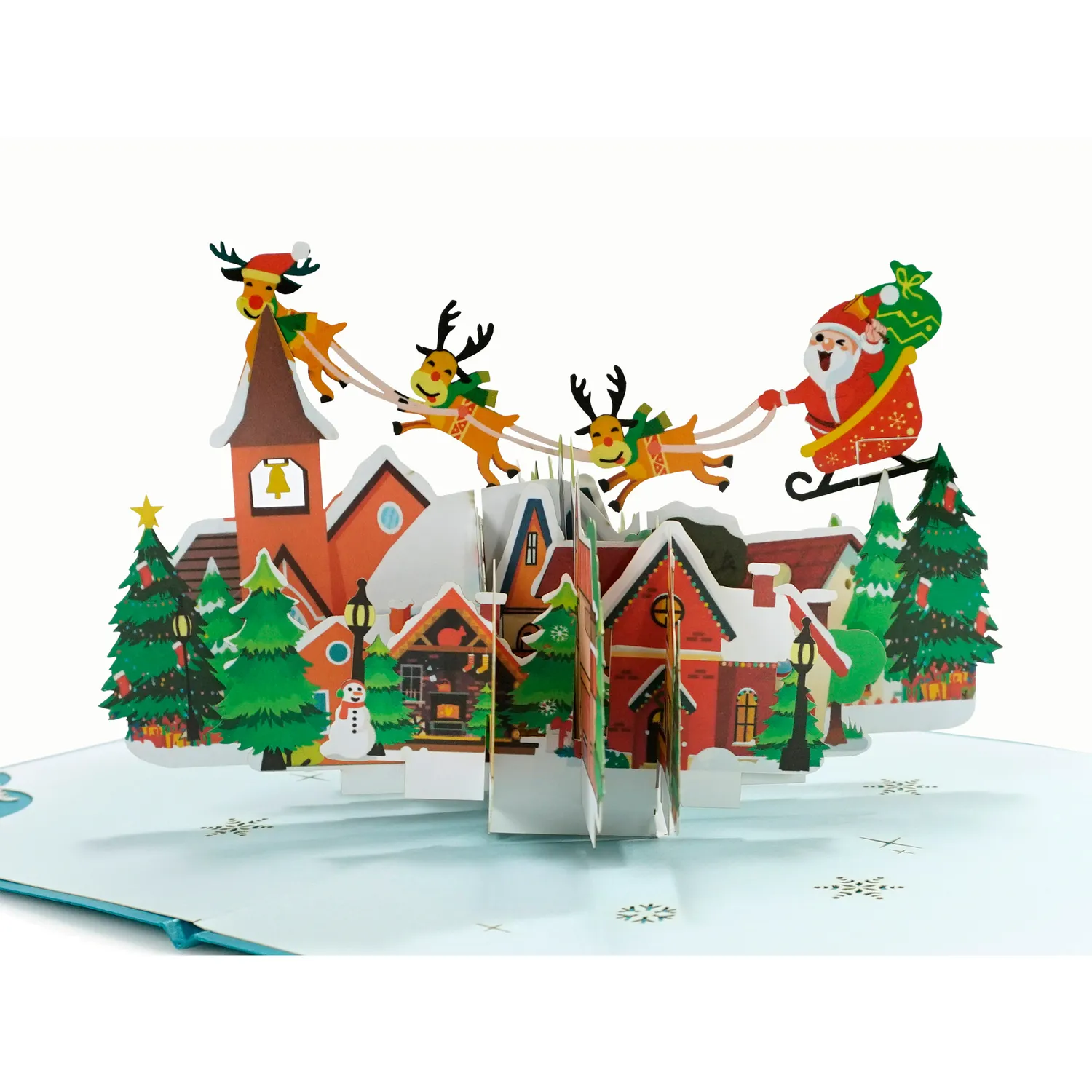
Christmas is the time when Germans most often send greeting cards. They are exchanged not only among family and close friends but also with colleagues, neighbors, and business partners. A simple “Frohe Weihnachten” written by hand carries sincerity that digital messages cannot replicate. Designs often feature snowy villages, nativity scenes, or winter animals, reflecting both faith and folklore. Imagine replacing a flat card with a 3D popup esign: a Christmas tree rising from the paper, Santa’s sleigh gliding above rooftops, or a cathedral illuminated in winter glow. Such cards combine the traditional German love for craftsmanship with the joy of surprise, 3D popup cards are unforgettable keepsake.
Easter: A Celebration of Renewal
Easter in Germany is joyful, colorful, and filled with symbols of spring. While it carries deep religious meaning, it is also embraced as a family-oriented celebration of renewal and hope.
In the weeks leading up to Easter, towns host Easter markets where vendors sell hand-painted eggs, chocolate bunnies, and spring decorations. Families decorate branches with hanging eggs, symbolizing life and growth.
Children eagerly await Easter Sunday, when the Osterhase (Easter Bunny) hides eggs and sweets in gardens and parks. Families gather for meals, often featuring lamb, cakes, and fresh spring vegetables. For many, Easter Monday is a holiday spent outdoors, enjoying the arrival of warmer weather.
The Role of Greeting Cards and 3D CUT Popup Cards
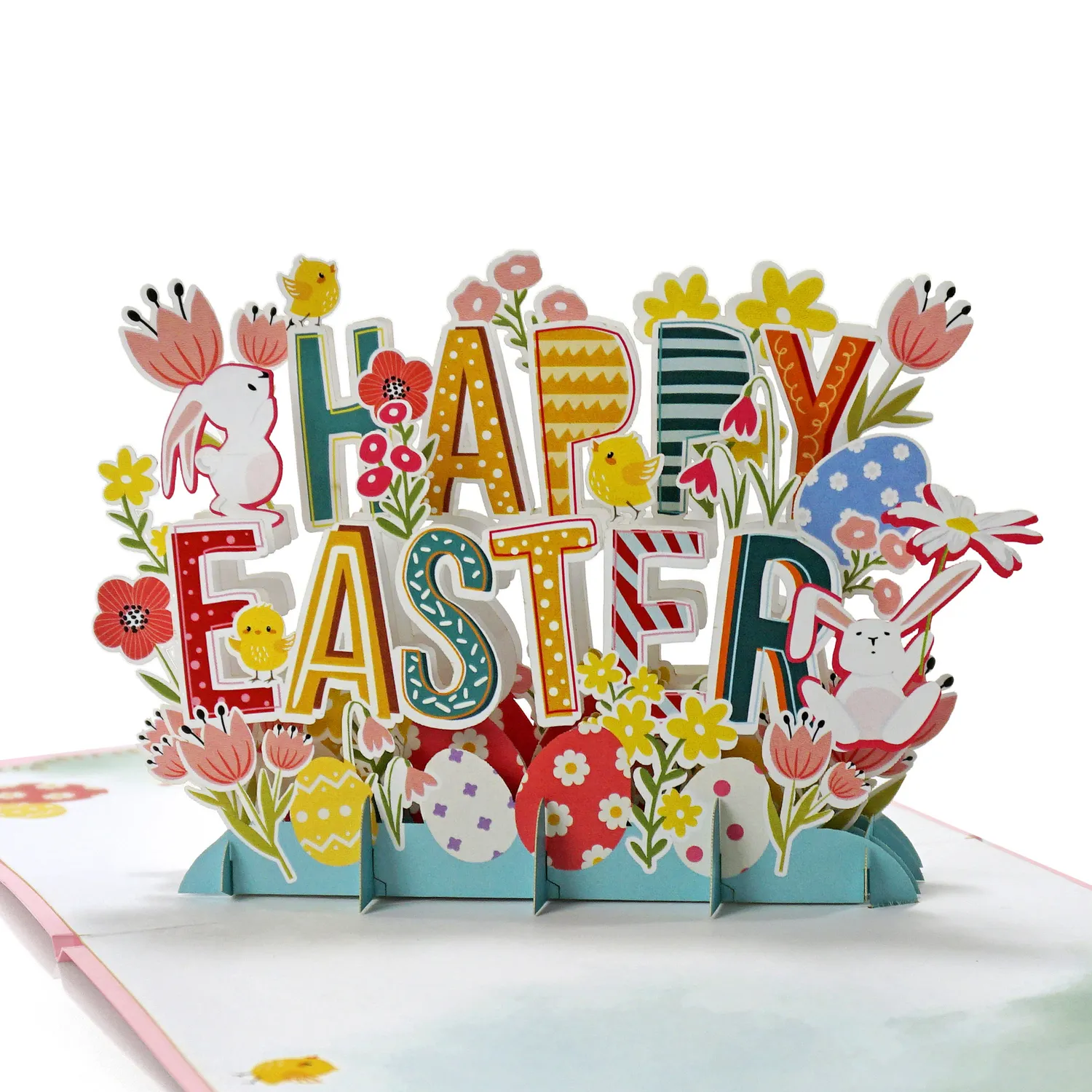
Though less widespread than Christmas cards, Easter greetings are still common, particularly among older generations and close-knit families. Cards often depict bunnies, chicks, flowers, and soft pastel colors. Messages focus on renewal, joy, and wishes for health.
A 3D card can bring the Easter spirit to life: a basket overflowing with colorful eggs, a rabbit leaping from a meadow, or a blooming spring garden unfolding from the paper. These designs spark delight in children and adults alike, turning Easter greetings into shared moments of surprise. For Germans, who value both tradition and creativity, such cards are a natural way to enhance the season’s charm.
Oktoberfest: Beer, Music, and Bavarian Spirit
If Christmas is about warmth and family, Oktoberfest is about joy and togetherness on a grand scale. Born in Munich in 1810 as part of a royal wedding celebration, Oktoberfest has grown into the largest beer festival in the world, drawing millions of visitors.
For two weeks in late September and early October, Munich transforms into a carnival of music, parades, and festivity. Giant tents house thousands of visitors, all raising steins of beer, singing folk songs, and enjoying Bavarian delicacies like pretzels, sausages, and roast chicken. Traditional clothing—lederhosen for men and dirndls for women—adds to the authenticity.
The 3D popup Greeting Cards
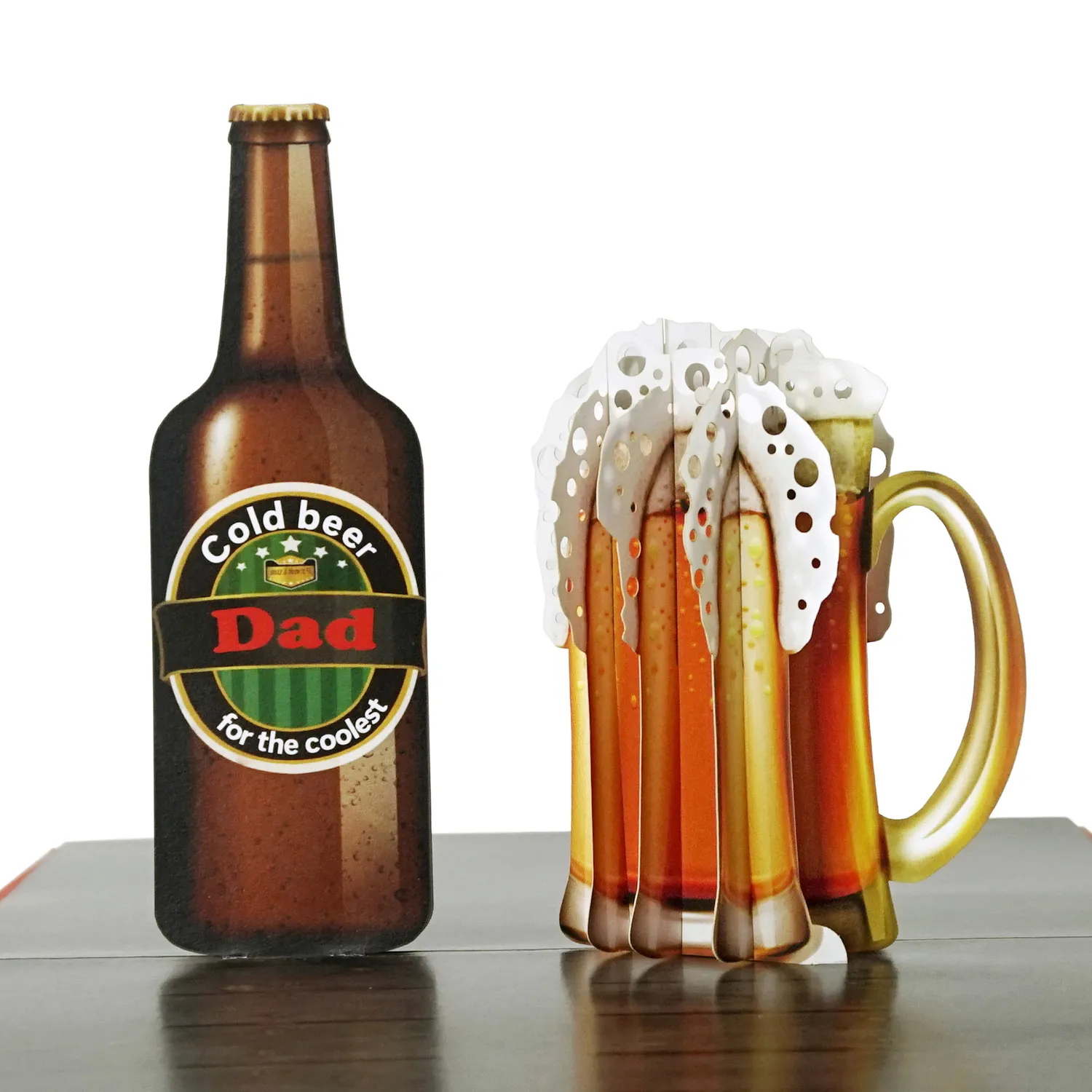
Unlike Christmas or Easter, Oktoberfest is not strongly tied to greeting cards. The festival itself is experiential—laughter, singing, and shared beer create the memories. Still, Oktoberfest-themed cards are growing in popularity, particularly as souvenirs or gifts for international guests. Businesses also use them to connect with partners or customers during the season.
A 3D card showing a foaming beer mug, a lively tent, or musicians playing in Bavarian dress can encapsulate Oktoberfest in a way words alone cannot. For those who attend, these cards become keepsakes; for those far away, they offer a taste of the festival’s spirit.
Halloween: Customs and Atmosphere
Halloween is not a traditional German holiday, but it has taken root in recent decades, especially among children and young adults. Inspired by American culture, Germans now embrace the spooky fun with enthusiasm.
Carved pumpkins glow in windows, children dress up as witches, ghosts, or vampires, and parties fill city clubs and homes. Trick-or-treating (known as “Süßes oder Saures”) happens in some neighborhoods, while amusement parks host haunted attractions.
How 3D CUT Popup greeting Cards
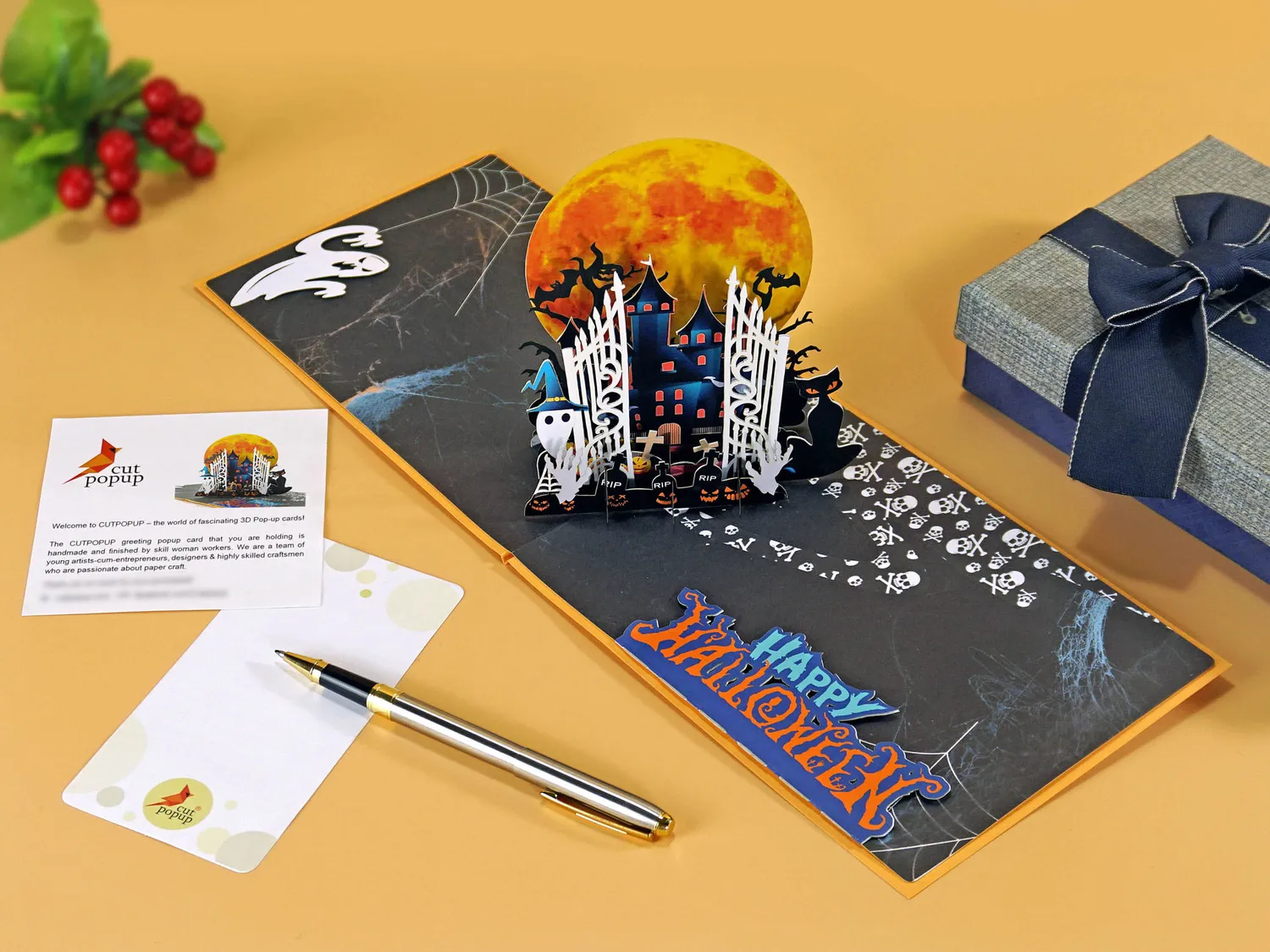
Unlike Christmas and Easter, Halloween cards are not deeply embedded in German tradition. However, they are increasingly exchanged, especially among younger generations who enjoy playful designs. Cards may feature bats, pumpkins, haunted houses, or witty Halloween puns.
3D Halloween cards are perfect for this festival. Imagine opening a card to see a haunted house rise up, complete with ghosts and bats, or a pumpkin patch glowing in 3D detail. These designs capture the theatrical, playful side of Halloween, making them ideal for children, party hosts, or anyone who loves a surprise.
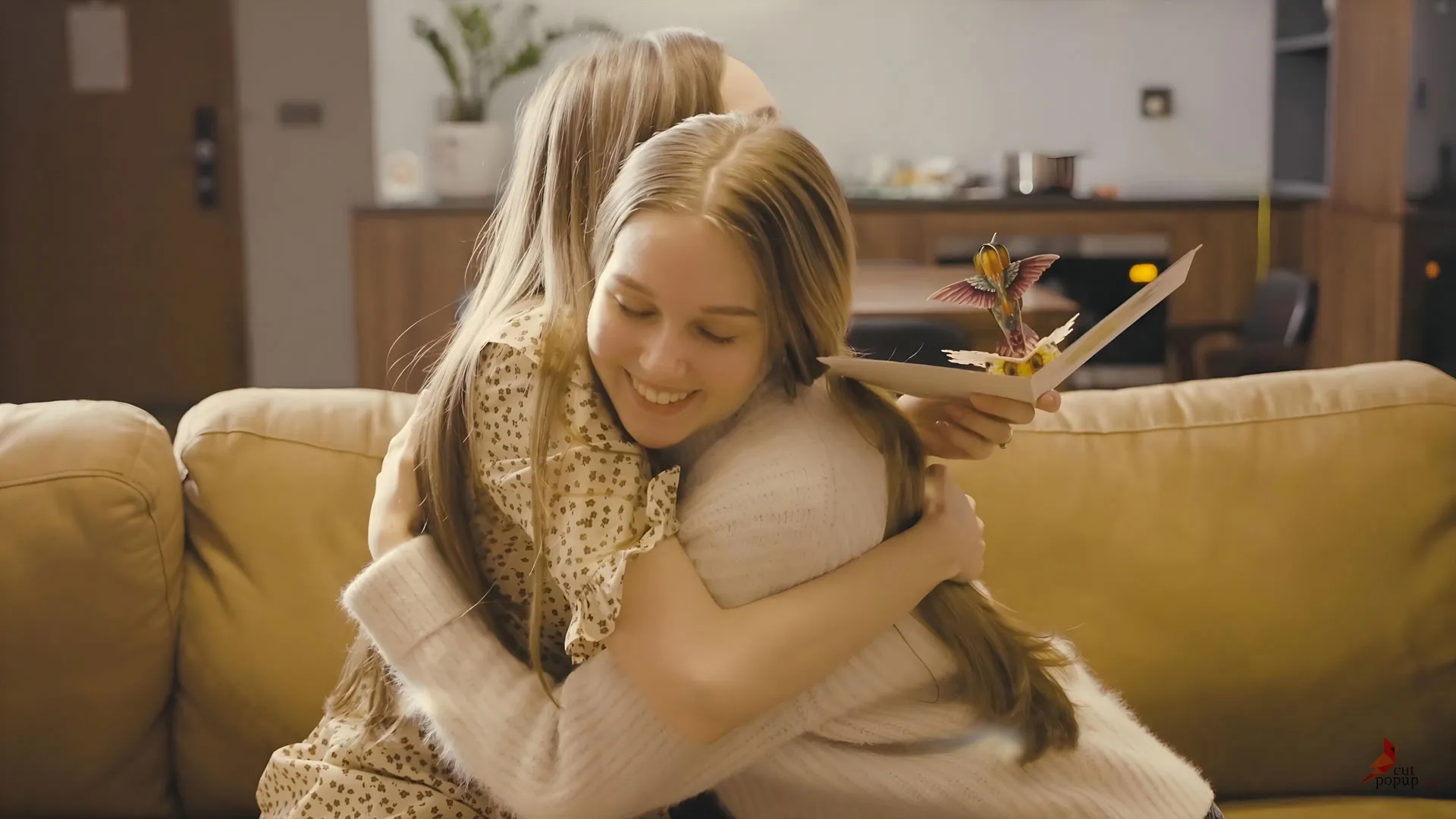
3D CUT popup cards are not ordinary greetings. Each card is carefully engineered, with intricate laser cutting and precise folding that create miniature paper sculptures. When opened, they spring to life, revealing scenes that feel magical.
Germany’s festivals reflect a culture of balance—between faith and fun, tradition and modernity, intimacy and community. Christmas glows with family warmth, Easter blossoms with renewal, Oktoberfest bursts with energy, and Halloween adds playful mystery. Each occasion carries its own rituals, foods, and atmosphere, shaping the rhythm of German life.
Greeting cards, though modest compared to music or decorations, hold quiet power. They symbolize thoughtfulness, bridge distances, and make celebrations personal. In Germany, where detail and craftsmanship are prized, 3D CUT popup cards offer a way to elevate this tradition.
By turning flat paper into three-dimensional art, these cards transform greetings into experiences. They align with the German love for quality while offering modern surprise. Whether shared at Christmas, Easter, Oktoberfest, or Halloween, they ensure that words of joy are not just read but felt.
You May Also Be Interested In
What To Say In An Anniversary Card – Happy Anniversary Wishes
Christmas 3D greetings Popup-card for Friends – Coworkers – Family
How Young People Celebrate Halloween with Greeting Cards