

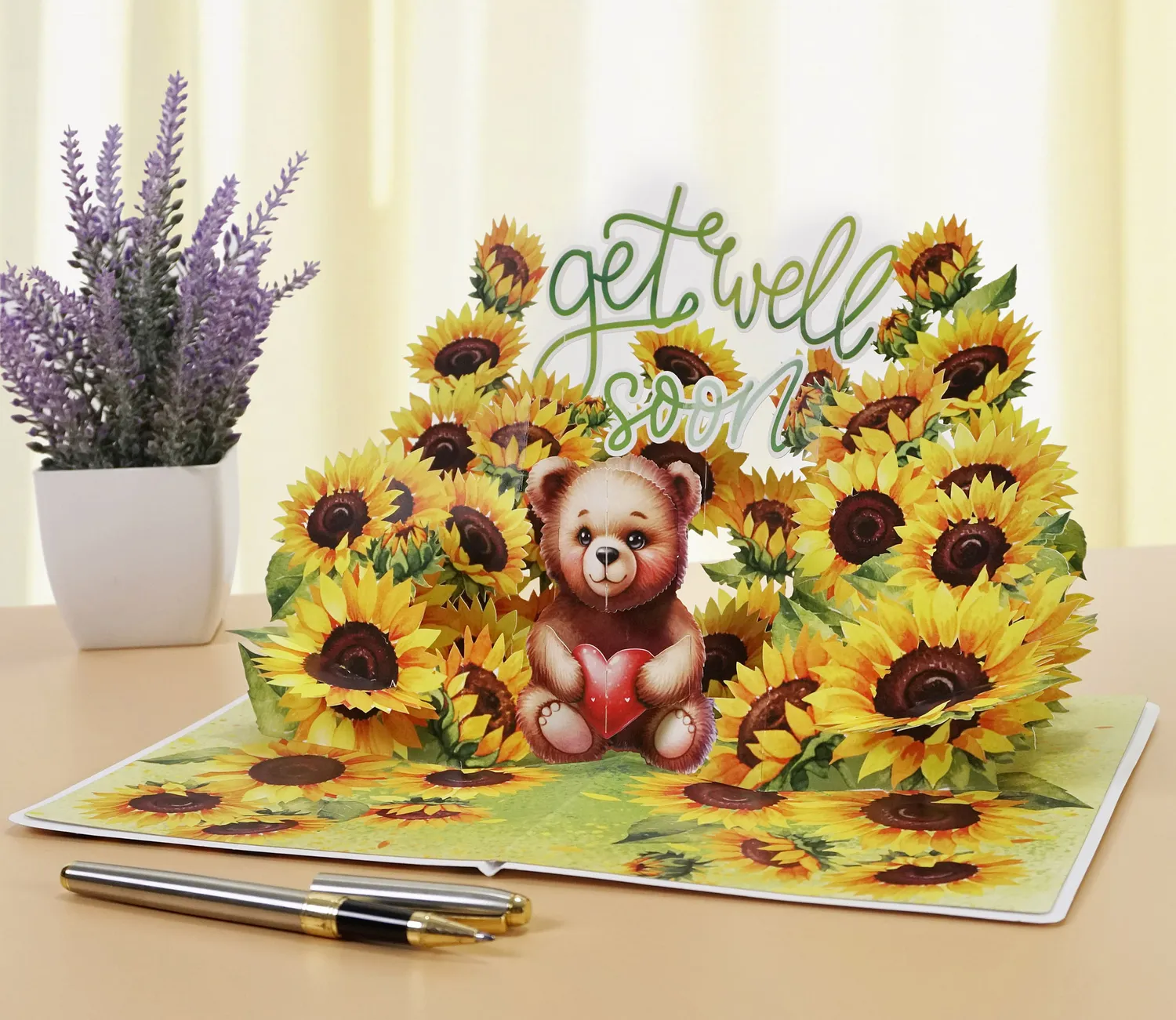
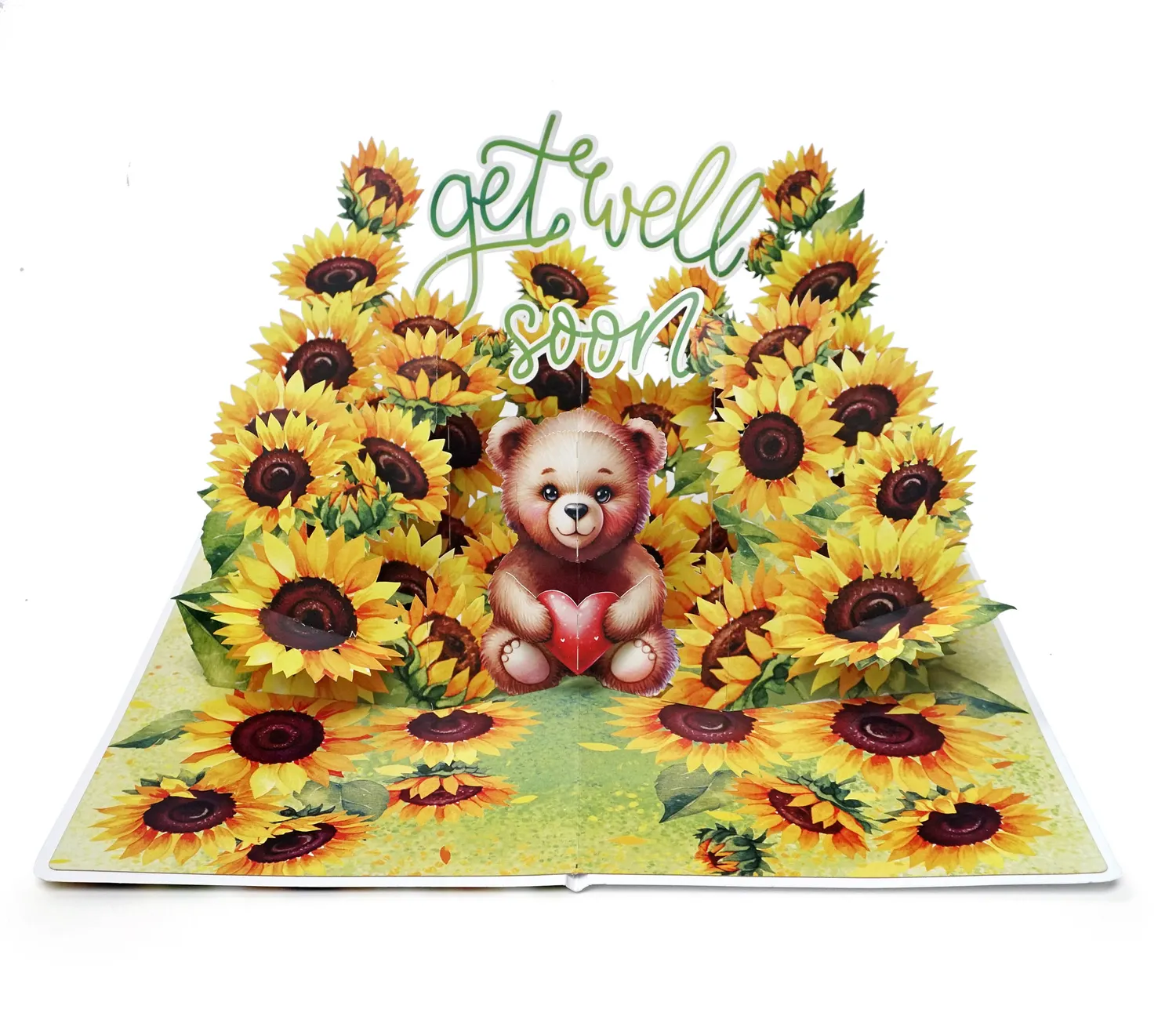
Power of “Get Well Soon” 3D pop-up greeting card
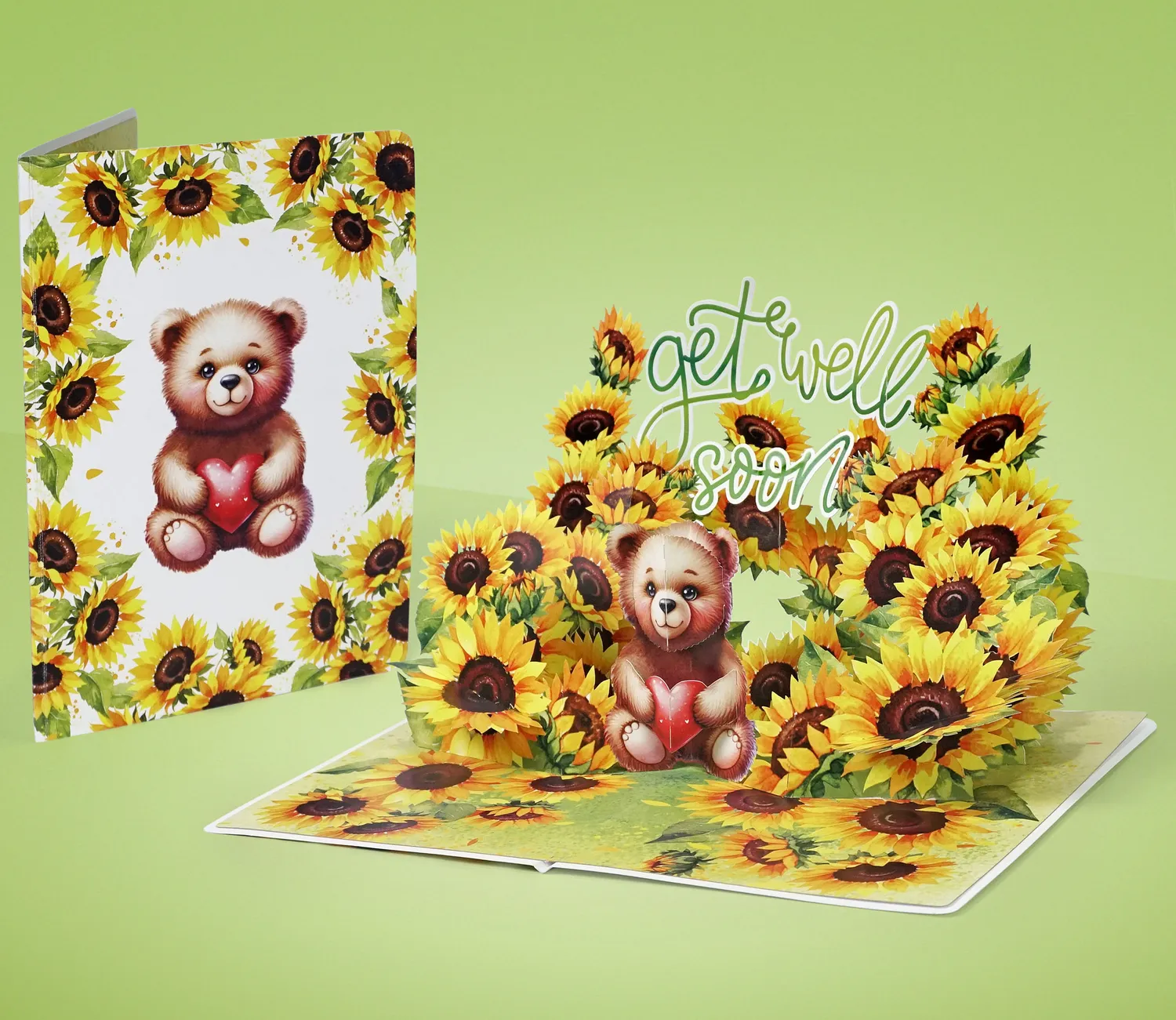
Life has a way of throwing us curveballs. One moment we’re sailing along, and the next, illness or injury brings everything to a halt. In those challenging times, when someone we care about is feeling under the weather or recovering from something more serious, knowing that people are thinking of them can make all the difference. That’s where the simple, heartfelt gesture of a “get well soon” message comes in, offering a much-needed ray of sunshine during difficult days.
It’s more than just ink on paper; it’s a tangible symbol of care, a whisper of encouragement that says, “You’re not alone, and we’re rooting for you.”
The Meaning Behind “Get Well Soon”
At its core, sending a “get well soon” message is about empathy and connection. It’s a powerful way to acknowledge someone’s struggle and offer genuine support. When illness strikes, it can often bring feelings of isolation, vulnerability, and even anxiety. A thoughtful message cuts through that, reminding the person that they are valued, remembered, and deeply cared for.
This tradition isn’t just about wishing for a quick recovery; it’s also about:
Showing You Care: In our busy lives, taking the time to write and send a card speaks volumes. It shows that despite life’s demands, you paused to think of them.
Boosting Morale: A kind word can be incredibly uplifting. For someone feeling unwell, a little pick-me-up can significantly impact their emotional state, which in turn can aid in recovery. It reminds them that there’s a light at the end of the tunnel.
Providing Comfort: Knowing that friends, family, or colleagues are sending positive thoughts can offer immense comfort during a tough time. It helps alleviate feelings of loneliness and reminds them of their support network.
Respecting Their Space: Sometimes, when someone is ill, they might not feel up to visitors or lengthy phone calls. A card allows you to express your concern without putting any pressure on them to respond immediately or entertain.
It’s a beautiful, understated act of kindness that subtly strengthens bonds and reaffirms relationships, proving that compassion is truly a universal language.
What People Do: The Art of Wishing Well
When someone falls ill, there are several ways people commonly reach out, each with its own special touch:
Sending Flowers: A classic gesture, fresh flowers can brighten a room and lift spirits with their vibrant colors and pleasant scents. They bring a touch of nature indoors, which can be particularly refreshing for someone confined to their home or a hospital room.
Bringing Meals: For those recovering at home, especially after surgery or a long illness, cooking can be exhausting. Friends and family often coordinate to drop off homemade meals, providing practical help and nourishment.
Offering Practical Help: Sometimes the most valuable support isn’t a gift, but an offer to help with daily tasks – picking up groceries, walking the dog, or taking children to school. These acts of service lighten the burden and allow the person to focus on healing.
Phone Calls or Texts: A quick call or text can be a great way to check in, especially if the person is contagious or needs quiet rest. It’s a low-pressure way to let them know they’re on your mind.
The Enduring Card: Despite the rise of digital communication, the “get well soon” card remains incredibly popular. There’s a tangible quality to a card that a text or email can’t replicate. It can be held, displayed, and revisited, serving as an ongoing source of comfort. People choose cards with thoughtful messages, or write their own, perhaps sharing a fond memory, a gentle joke, or simply a sincere wish for recovery.
Regardless of the method, the underlying intention is always the same: to convey care, support, and hope for a speedy return to health
You May Also Be Interested In
When a Christmas 3D pop-up Wish Becomes a Work of Art
Discover the Magic of Treasures Pop Up Christmas Cards: A Unique Holiday Experience
Celebrate the Joy of Christmas with 5 Exclusive 3D Pop-Up Card Collection