

Halloween Culture in Canada and Australia
Halloween is often thought of as a uniquely American holiday, filled with spooky costumes, glowing jack-o’-lanterns, and bags of candy. Yet, this festival has spread across the world, taking root in different ways. In Canada and Australia, Halloween reflects both global influence and local adaptation. While Canada shares deep historical ties with Halloween traditions, Australia has embraced the holiday more recently, reinterpreting it in a way that suits its springtime atmosphere and youthful energy.

Halloween in Canada: Longstanding Traditions and Community Spirit
Canada has celebrated Halloween for well over a century, largely thanks to Irish and Scottish immigrants who brought their Celtic customs. Today, Halloween is a nationwide event where children go trick-or-treating, families decorate their homes with jack-o’-lanterns, and neighborhoods come alive with autumn colors.
The crisp fall air, red maple leaves, and glowing pumpkins create a picture-perfect Halloween setting. Beyond costumes and candy, the celebration fosters a sense of belonging. Communities often organize haunted houses, school costume contests, and neighborhood pumpkin-carving competitions, turning Halloween into more than a night of scares—it’s a time of togetherness.
Halloween in Australia: Adaptation and Creativity
In contrast, Halloween is not a traditional holiday in Australia. It only began gaining popularity in recent decades, fueled by American pop culture. Because Halloween falls in the spring season in Australia, pumpkins are less abundant, and many households use alternative fruits or locally inspired decorations for their jack-o’-lanterns.
Australian neighborhoods and youth communities often celebrate with outdoor parties, spring-themed costume events, and park gatherings rather than the traditional door-to-door trick-or-treating. The spirit remains the same—fun, creativity, and connection—but the expression feels lighter, brighter, and more in tune with Australian culture.
What Children and Young People Do on Halloween
For children in Canada, the highlight is unquestionably trick-or-treating. Dressed as witches, superheroes, princesses, or vampires, they roam the streets collecting candy from neighbors. These early experiences leave lifelong memories of joy, courage, and friendship. Teenagers often take part in haunted houses, school dances, or neighborhood costume contests, adding a playful edge to the tradition.
In Australia, kids are gradually becoming familiar with trick-or-treating, but costumes often lean toward cute or playful characters rather than frightening ones. Young Australians tend to embrace Halloween as a chance for springtime fun, with barbecues, music festivals, or outdoor movie nights under the stars.
By comparison, the United States remains the most intense and large-scale Halloween hub, with weeks of preparation, massive costume parades, and elaborate haunted attractions. Canada mirrors much of this energy, while Australia continues to adapt the festival to suit its cultural and seasonal differences.
The Role of Halloween Greeting Cards and Symbols
While candy and costumes dominate modern celebrations, greeting cards once played a central role in Halloween traditions. In Canada and the US, Halloween greeting cards were as popular as Christmas cards during the early 20th century. Children would exchange cards featuring jack-o’-lanterns or black cats, while young adults used humorous or romantic Halloween cards to surprise their friends.
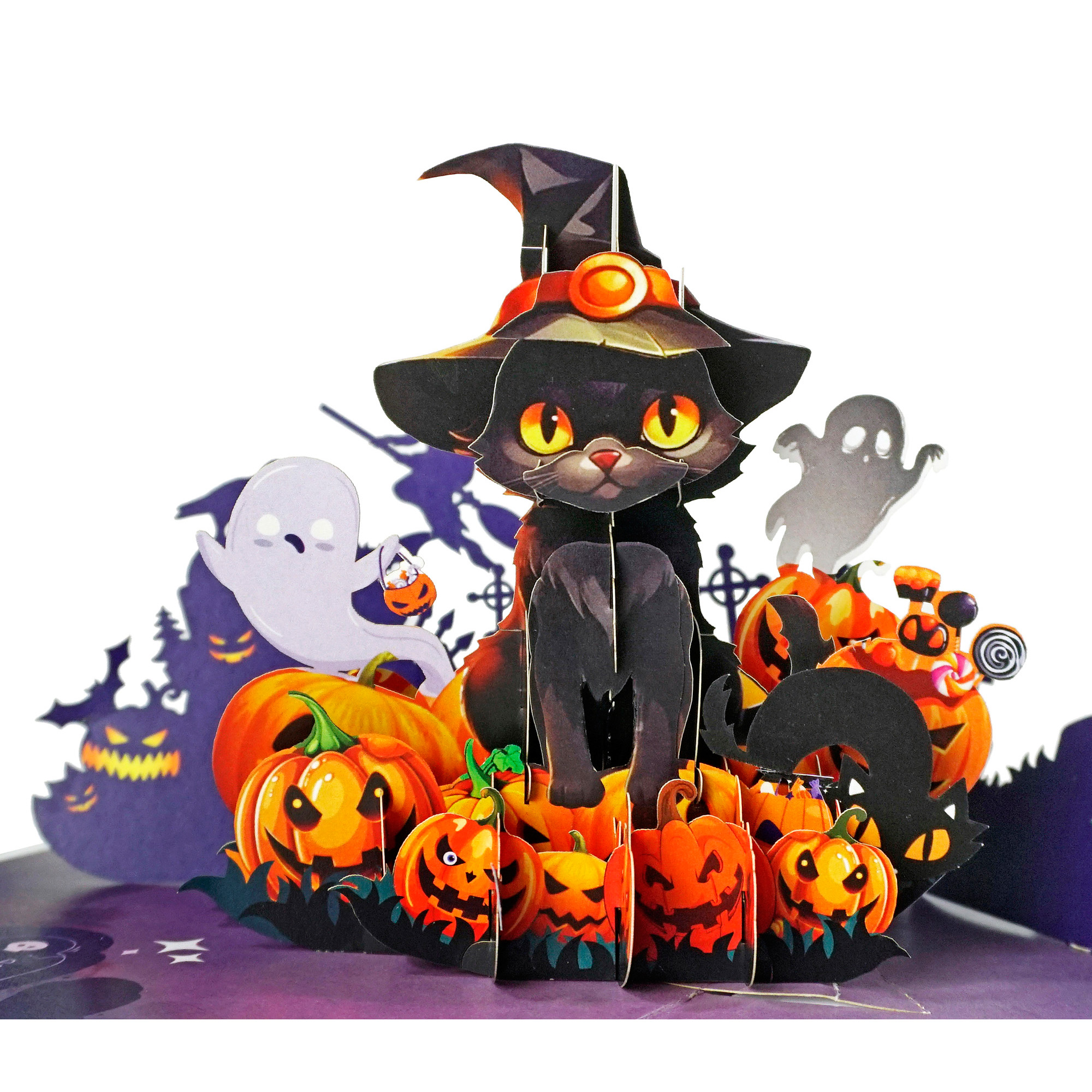
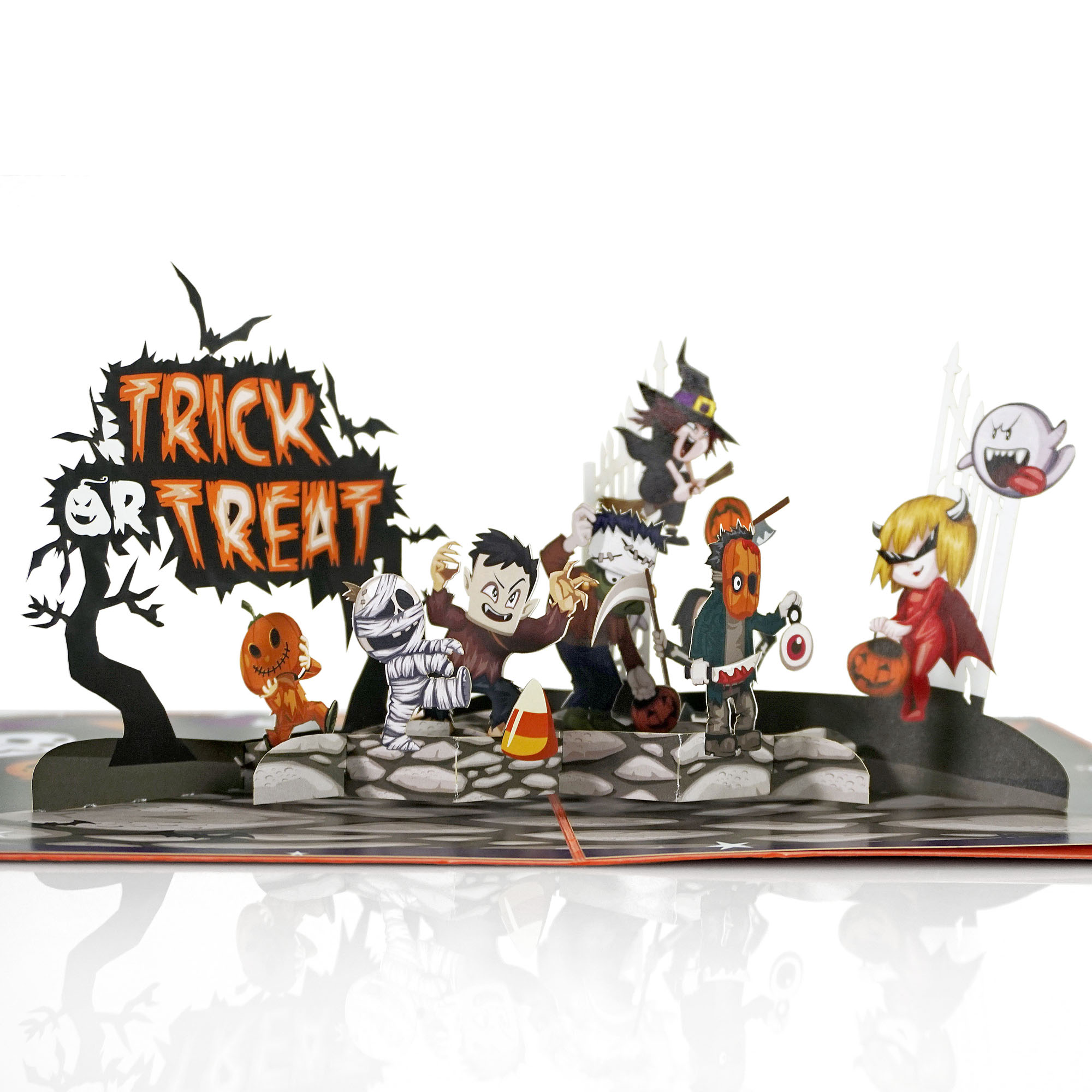
Today, traditional paper cards are less common, but the spirit lives on in artistic 3D pop-up Halloween cards. These modern creations, featuring pumpkins, haunted houses, or enchanted forests that spring to life when opened, offer a unique way to surprise and delight. Unlike digital messages, a Halloween pop-up card carries a sense of warmth, creativity, and personal connection that resonates deeply.
The Human Side of Halloween
What truly unites Halloween across Canada, Australia, and the US is not the scares—it’s the sense of community. Behind the spooky masks and haunted stories, families carve pumpkins together, children laugh while showing off their candy bags, and neighbors share decorations, sweets, and stories.
Heartwarming anecdotes illustrate this human meaning: fathers dressing up as monsters to make their kids giggle, Australian families inventing new traditions like springtime Halloween picnics, or Canadian neighborhoods competing to create the most spectacular pumpkin displays. These small yet powerful moments transform Halloween into a celebration of connection, joy, and lasting memories.
Halloween may look different depending on where it’s celebrated. In Canada, it feels like a natural extension of autumn traditions. In Australia, it takes on a fresh, youthful vibe that suits springtime. In the US, it thrives as a cultural powerhouse with global influence.
But wherever it goes, Halloween carries the same heart: a chance for families, children, and communities to bond, laugh, and share warmth. And sometimes, the simplest gestures—a bag of candy, a shared laugh, or a beautifully crafted Halloween 3D pop-up card, are what make the holiday truly unforgettable.
You May Also Be Interested In
It’s Time for the 2025 Halloween 3D Pop-Up Card Collection!
Set a 3D Pop-Up Greeting Cards – A Meaningful Way to Celebrate Love and Marriage
Create Joy with a Merry Christmas Pop Up Card: A Unique Holiday Greeting Experience