

Easter Celebrations in Europe and the Easter 3D popup Cards
Easter is one of the most important and joyful festivals celebrated across Europe. Rooted in Christian traditions that honor the resurrection of Jesus Christ, Easter has evolved into a cultural and family-centered celebration that transcends religious boundaries. For many, it is not only about attending church services or sharing festive meals but also about experiencing moments of joy, surprise, and creativity through traditions like egg painting, Easter parades, and the much-anticipated Easter egg hunts. Interestingly, alongside these traditions, a new creative way of celebrating has been growing in popularity: gifting and sharing 3D pop-up Easter cards that capture the spirit of the season in a uniquely artistic way.
In this article, we will explore how Easter is celebrated in different European countries, uncover the meaning behind these traditions, and show how modern practices like 3D Easter cards are becoming part of the celebration.
The Meaning of Easter: Faith and Family Connections
At its heart, Easter symbolizes renewal, hope, and the triumph of life over death. In Christian tradition, it commemorates the resurrection of Jesus Christ on the third day after his crucifixion. However, beyond the religious meaning, Easter has also become a time for families to reconnect, for children to enjoy games and surprises, and for communities to share happiness together.
The Easter egg, one of the most iconic symbols, represents new life and rebirth. In many parts of Europe, decorating eggs has become an art form passed down from generation to generation. What is fascinating is how each country adds its own cultural touch to the celebration, making Easter both universal and deeply local.
Easter Traditions in Germany: Eggs, Fires, and Surprise Gifts
Germany is often considered the birthplace of many Easter traditions. The famous Osterhase, or Easter Bunny, is believed to have originated here. Children eagerly prepare baskets and wait for the bunny to hide eggs filled with chocolate or small gifts. Another unique tradition is the Easter Fire, where large bonfires are lit on Easter Saturday to symbolize the victory of light over darkness.
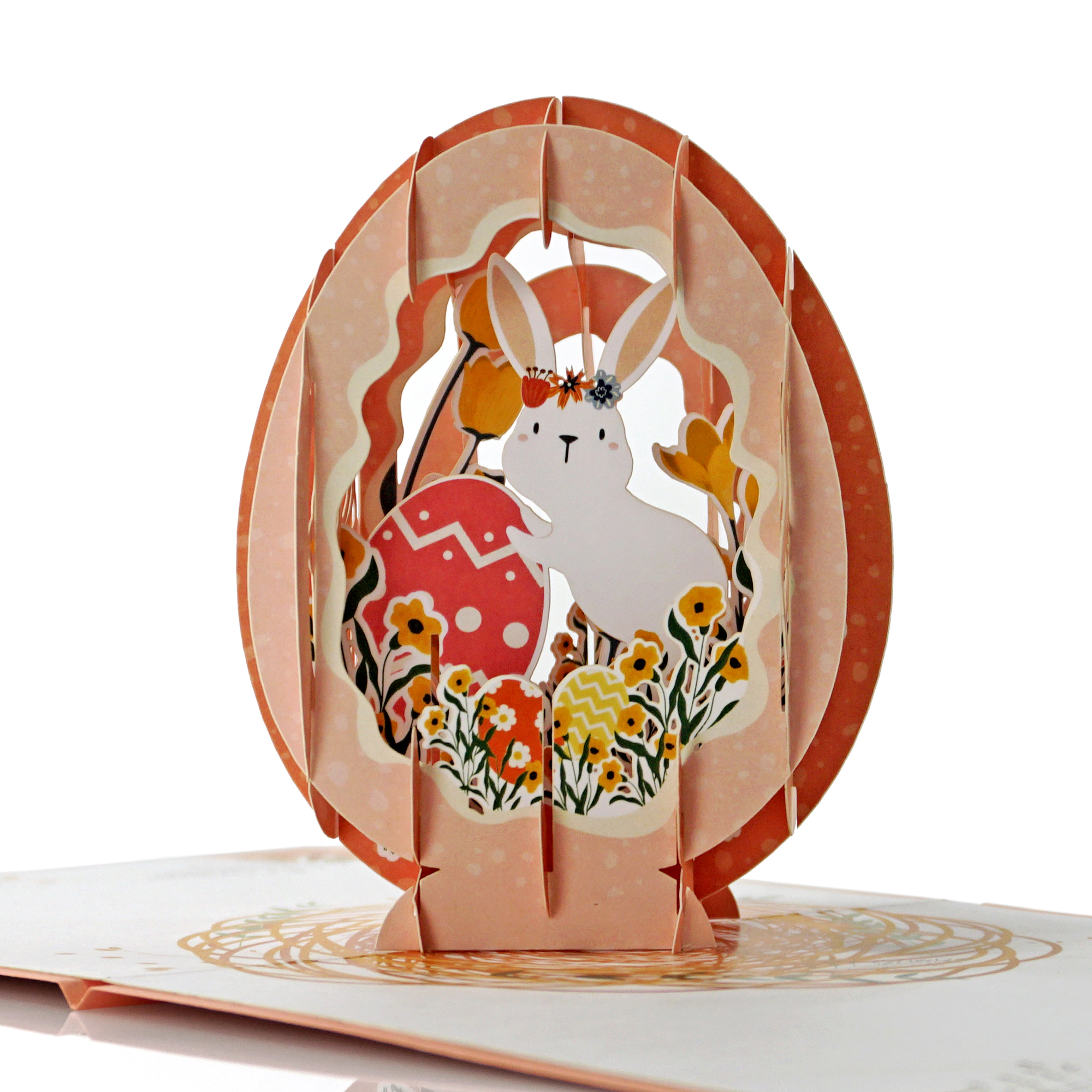
In recent years, many German families have added a modern twist to their celebrations. Instead of only giving chocolates, they now exchange Easter greeting cards. Among them, 3D pop-up Easter cards stand out as delightful surprises. Imagine a child opening a card and seeing a colorful 3D egg or bunny spring to life—it’s a moment of wonder that extends the joy of Easter beyond the egg hunt.
Easter in Italy: Faith Meets Festivity
Italy, with its deep Christian roots, celebrates Easter with great devotion. On Easter Sunday, churches across the country are filled with worshippers, and the Pope’s Easter Mass in Vatican City attracts thousands of pilgrims from all over the world. Yet, Italy also knows how to blend solemnity with festivity.
Families gather to enjoy traditional dishes like lamb and the famous Colomba di Pasqua, a dove-shaped cake symbolizing peace. In Florence, the spectacular “Scoppio del Carro” (Explosion of the Cart) is performed, where a decorated cart filled with fireworks lights up the city to ensure prosperity and a good harvest.
And while Italian Easter is rooted in grandeur, small gestures also carry meaning. Sending a 3D Easter card with symbols like doves, flowers, or eggs can feel just as powerful as attending a large celebration. These cards not only express wishes of peace and happiness but also carry the artistry that Italians so deeply admire.
Easter in the United Kingdom: Egg Hunts and Family Surprises
In the UK, Easter is often associated with bank holidays, springtime picnics, and cheerful egg hunts. Families head to parks and gardens where children race to collect hidden chocolate eggs. Traditional foods like hot cross buns and roast lamb are also essential parts of the celebration.
But here’s a modern twist that has started to surprise many families living in cities: instead of taking children to vast gardens or countryside fields, parents have begun organizing Easter hunts inside their homes or apartments. Instead of just eggs, children are now tasked with searching for beautiful Easter cards shaped like eggs or featuring 3D pop-up designs. Imagine the delight of a child finding not just a chocolate egg but also a magical card that opens to reveal a spring garden or a bunny in three dimensions. It turns a simple apartment into an adventure playground filled with creativity and joy.
This urban adaptation keeps the essence of the hunt alive while adding a touch of innovation. Parents love it because it encourages children to value not only sweets but also keepsakes that can be cherished long after Easter is over.
Easter in Eastern Europe: A Rich Heritage of Egg Decoration
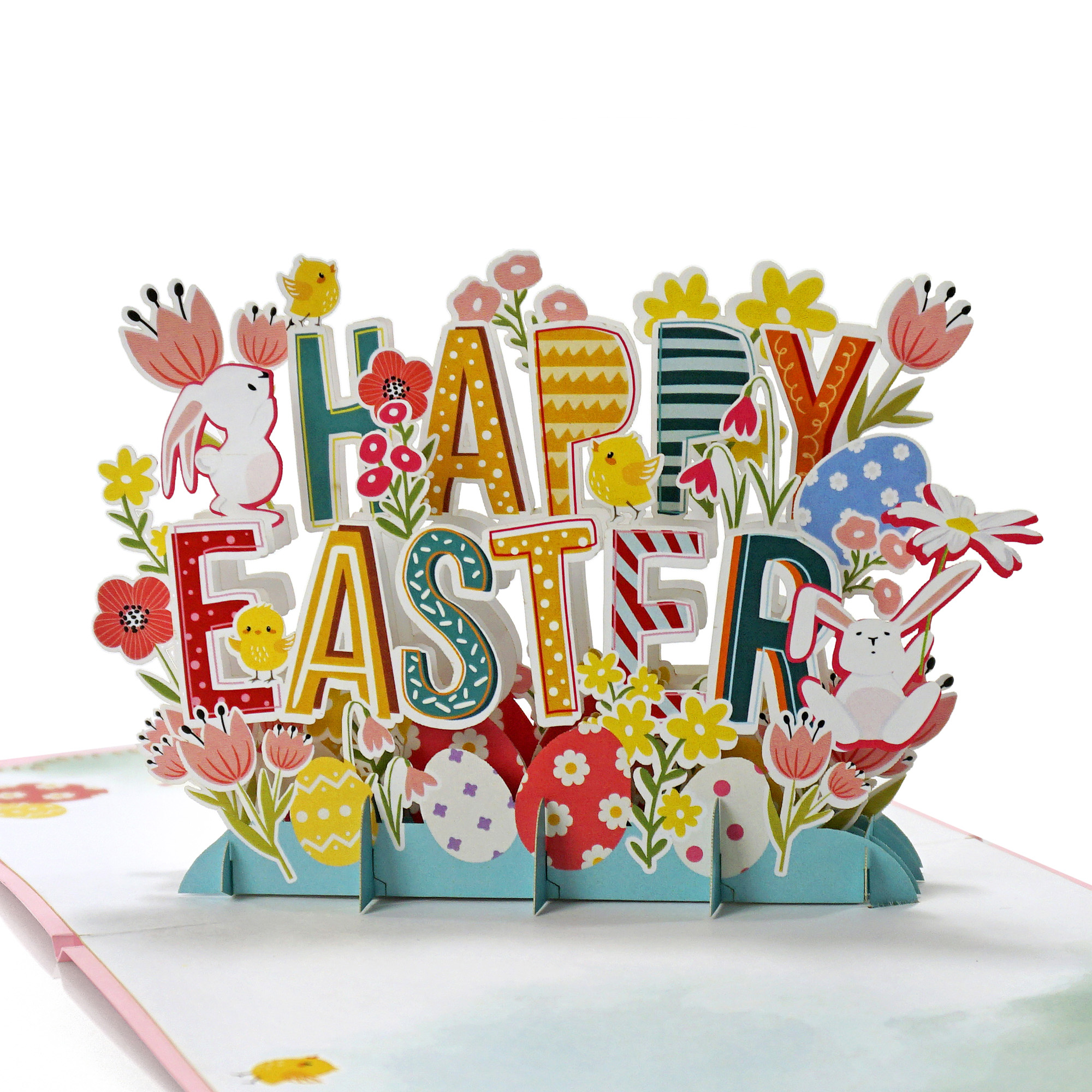
In countries like Poland, Ukraine, and the Czech Republic, Easter is inseparable from the art of egg decoration. The famous pysanky (intricately decorated eggs using wax and dye) are not just ornaments but carry deep cultural and spiritual meaning. These eggs are often exchanged as gifts to symbolize friendship, respect, and blessings. In recent times, 3D Easter cards have become a creative alternative to traditional eggs, especially for those who live abroad and cannot send fragile decorated eggs by post, a card featuring a 3D design for Easter Day is the right choice.
Why 3D Easter Cards Are Becoming a New Tradition
Easter is a festival built on symbols—eggs, rabbits, flowers, and light. What makes 3D pop-up Easter cards so special is their ability to bring these symbols to life in a surprising and memorable way. Unlike flat cards, a 3D card transforms the moment of opening into an experience, much like discovering a hidden egg in the grass or behind a sofa cushion.
For children, they offer the thrill of discovery. For adults, they represent thoughtful artistry and a modern way of expressing timeless wishes. And for families living in busy cities, replacing—or even complementing—the traditional egg hunt with a 3D Easter card hunt inside the home can be an exciting new tradition that brings the same joy in a more creative form.
Easter in Europe is a mosaic of faith, food, and festivity. From Germany’s Easter Bunny and fires, to Italy’s religious processions, the UK’s joyful hunts, and Eastern Europe’s egg artistry, each tradition tells a story of renewal and celebration.
Yet what truly makes Easter magical is not just the tradition itself, but how families adapt and add new layers of creativity. In today’s world, where many families live in apartments and fast-paced cities, 3D Easter cards offer a fresh way to celebrate. They combine the surprise of an egg hunt, the artistry of decorated eggs, and the warmth of a heartfelt greeting all in one.
So this Easter, whether you are lighting a bonfire in Germany, tasting Colomba cake in Italy, joining a parade in London, or painting eggs in Poland, consider adding a new tradition: surprise your loved ones with a 3D pop-up Easter card. Because sometimes, the smallest surprises—like a card that blooms into a 3D egg—can create the biggest smiles and the most lasting memories.
You May Also Be Interested In
Create Your Own Pop Up Christmas Tree Card DIY: A Step-by-Step Guide
Wonderful Pop Up Cards for Valentine’s Day
Creative Ways to Make Pop Up Christmas Cards That Will Delight Your Loved Ones