

The Shared Joy of Giving and Receiving Greeting Cards
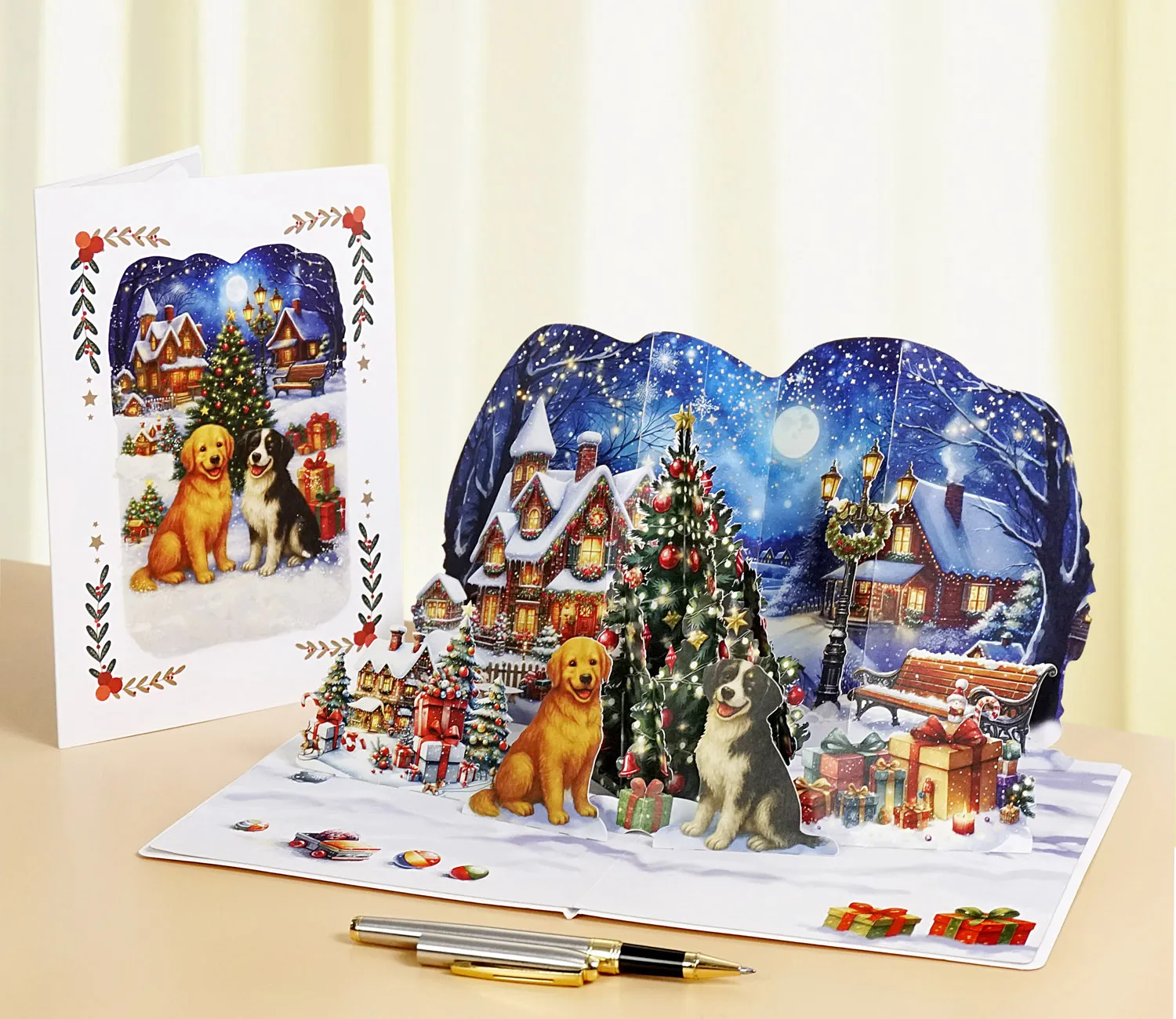
A card is not just a piece of paper; it is a bridge between hearts. For the person who gives it, the act of choosing, writing, and offering a card becomes a personal ritual of affection. For the one who receives it, the card becomes a lasting reminder that they are remembered, cherished, and valued. This simple tradition, deeply appreciated in German culture, captures the essence of meaningful human connection — thoughtful, tangible, and timeless.
The giver’s quiet happiness: expressing care with intention
For the giver, happiness begins long before the card is handed over. It starts with the moment of choosing — standing before shelves of designs and messages, searching for the one that feels right. A person doesn’t pick a greeting card randomly; they pick the one that speaks for them. The colors, the illustration, the texture, even the words inside — all reflect the giver’s emotions.
This process mirrors the German love for thoughtfulness and detail. Each decision carries intention. The giver asks themselves: What would make this person smile? What words can warm their heart? And as they write a few heartfelt lines inside, they slow down — feeling every emotion that perhaps daily life doesn’t allow them to say aloud.
The happiness of the giver lies in this moment of connection — the joy of transforming unspoken feelings into something real, something that can be held, read, and kept. It’s not about grand gestures, but about presence — the quiet joy of giving a piece of one’s heart in a form that lasts.
Writing feelings on paper: where sincerity lives
For Germans, who often value honesty and authenticity, a handwritten card carries emotional weight. It says, I didn’t just think of you; I made time for you. That simple act of slowing down, choosing words carefully, and expressing gratitude or affection turns ordinary days into meaningful moments.
When someone writes a message inside a card, they reflect on shared memories, laughter, or perhaps the challenges they’ve faced together. Through words, they express what spoken language sometimes cannot. This act of expression, though quiet, brings the giver a deep sense of contentment — the satisfaction of giving something heartfelt, not just convenient.
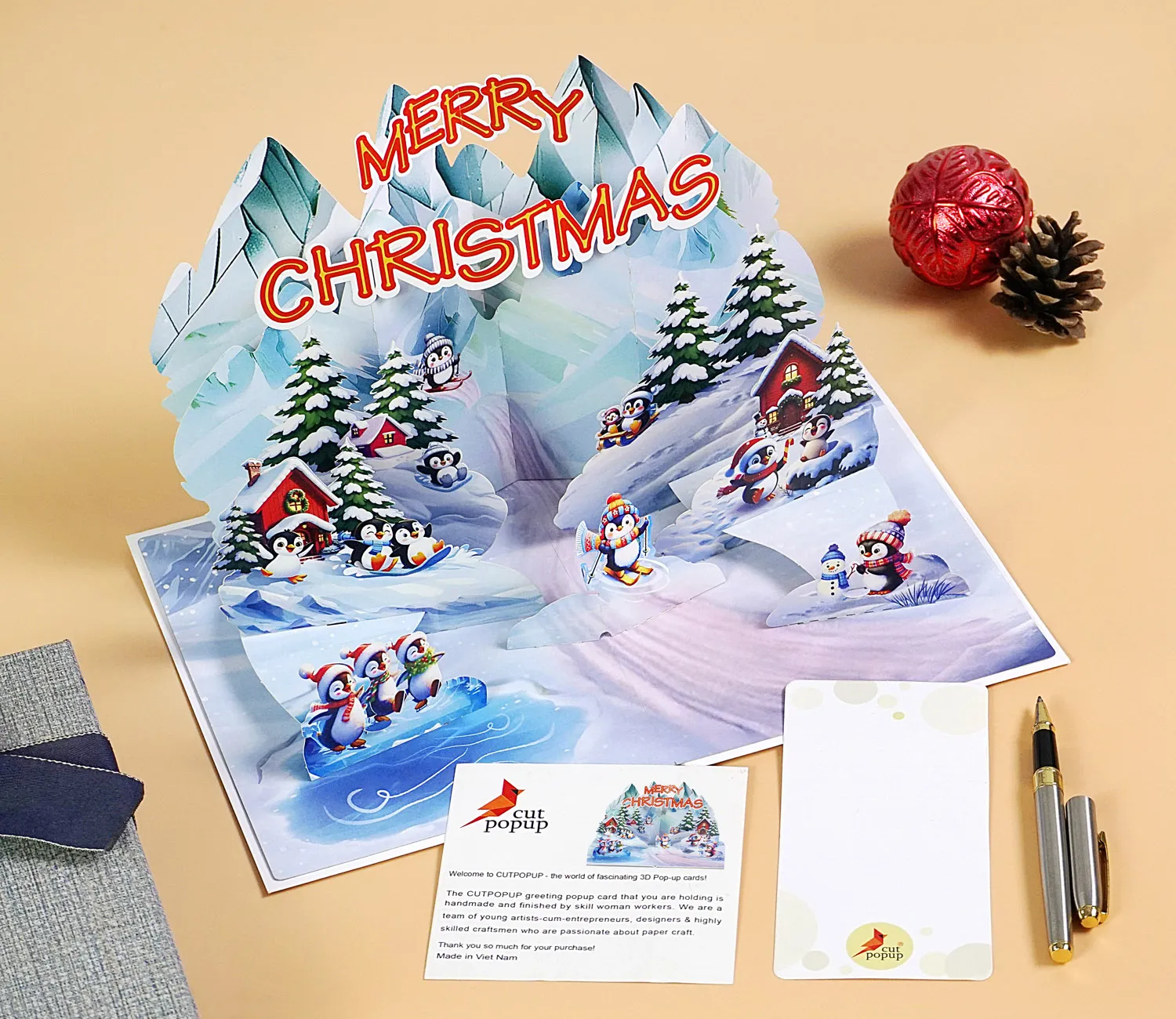
The receiver’s warmth: feeling seen and valued
For the receiver, the moment of opening a greeting card can be unexpectedly emotional. In that instant, they realize someone took the time to think of them — not out of obligation, but out of genuine affection. A card says, You matter. It’s a small, beautiful proof that they are not forgotten amid the rush of daily life.
In German culture, where gratitude and sincerity are deeply rooted, receiving a greeting card often carries a sense of emotional grounding. It connects people not only to others but also to the values of mindfulness and appreciation. A greeting card, unlike a fleeting message, becomes a keepsake — something to reread during quiet evenings or on difficult days.
When connection becomes memory
Over time, greeting cards become personal archives of affection. They carry traces of people’s lives — birthdays, anniversaries, congratulations, apologies, and farewells. For both giver and receiver, these cards mark milestones that would otherwise fade.
For the giver, looking back at cards they once sent brings a sense of continuity — a reminder of all the relationships they have nurtured. For the receiver, keeping a box of old cards is like holding a small museum of memories. Each card carries a story, a voice, a piece of someone’s heart.
In Germany, many people keep cards from loved ones for years. They are not just souvenirs; they are emotional anchors. On quiet winter days, when one takes out those cards and rereads them, joy and gratitude return. The paper might age, but the feeling remains alive.
What makes greeting cards so special is that the happiness is shared. The giver feels joy in giving, and the receiver feels joy in receiving — creating a circle of emotion that strengthens bonds. It’s a rare exchange where both sides feel fulfilled.
The giver experiences the pleasure of expressing care; the receiver feels the comfort of being cared for. One acts with love, the other receives love — and both grow emotionally from that moment. This balance of giving and receiving echoes the German philosophy of Miteinander leben — living together in mutual respect and understanding.
In a fast-paced world, such acts remind us that true connection is not measured by instant replies but by emotional depth. Every card sent is a message of humanity — a small act that makes the world a little kinder.
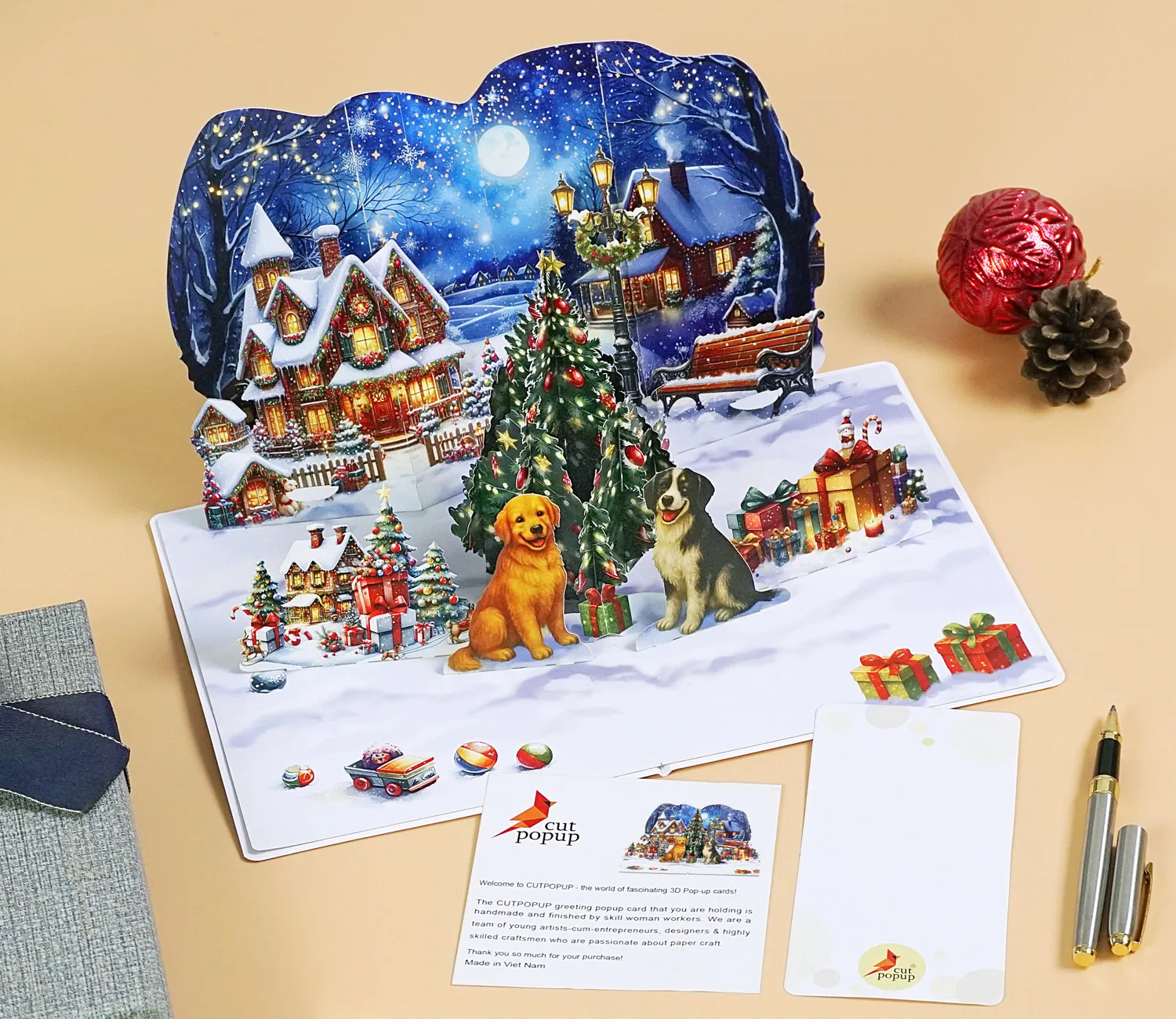
Why greeting cards will never lose their meaning
Some may think greeting cards belong to the past, but their essence only grows stronger in a digital age. When everything becomes virtual, tangible gestures gain emotional power. A greeting card is proof of effort — proof that someone cared enough to go beyond a click or emoji.
Businesses, families, and friends in Germany continue this tradition because it embodies respect, gratitude, and authenticity. Whether it’s a birthday, Christmas, or a simple thank-you note, the card becomes a vessel for emotion. Moreover, cards are deeply sustainable in emotional terms: they don’t vanish with time. Unlike text messages that get lost among notifications, cards stay — on a shelf, a fridge, or inside a drawer — whispering love long after the moment has passed.
The act of giving and receiving cards is not about nostalgia; it’s about presence. It’s about celebrating human connection in the simplest, most meaningful way possible. At its core, the joy of giving and receiving greeting cards lies in their authenticity. They invite us to slow down, reflect, and express gratitude. They remind us that love, friendship, and appreciation are not measured by grandeur but by intention.
In a world that often forgets to pause, greeting cards teach us something profoundly simple yet timeless: happiness grows when it is shared — through words written from the heart, sealed with care, and given with love.

You May Also Be Interested In
Red Rose 3D Cut Popup greeting cards and meaning for gift
St Patrick’s Day History and 3D greeting card
The Journey of 3D CUT Pop-up on Amazon