

First Birthday Cards – A Small Detail That Makes the Moment Last
A child’s first birthday is one of those rare milestones that feels both ordinary and extraordinary. The first candle on the cake, the first family gathering around to sing, the first photo that ends up in albums or frames for years to come—it’s a day filled with joy and reflection. While the gifts, decorations, and laughter fade with time, one small thing often endures: the card.
As an online card retailer with years of experience serving customers across platforms like Amazon and throughout Europe, we’ve learned that the first birthday card holds a special kind of meaning. It’s not just another piece of stationery. It’s a keepsake—something that families tuck away, revisit, and treasure long after the wrapping paper is gone.
The Quiet Power of Simplicity
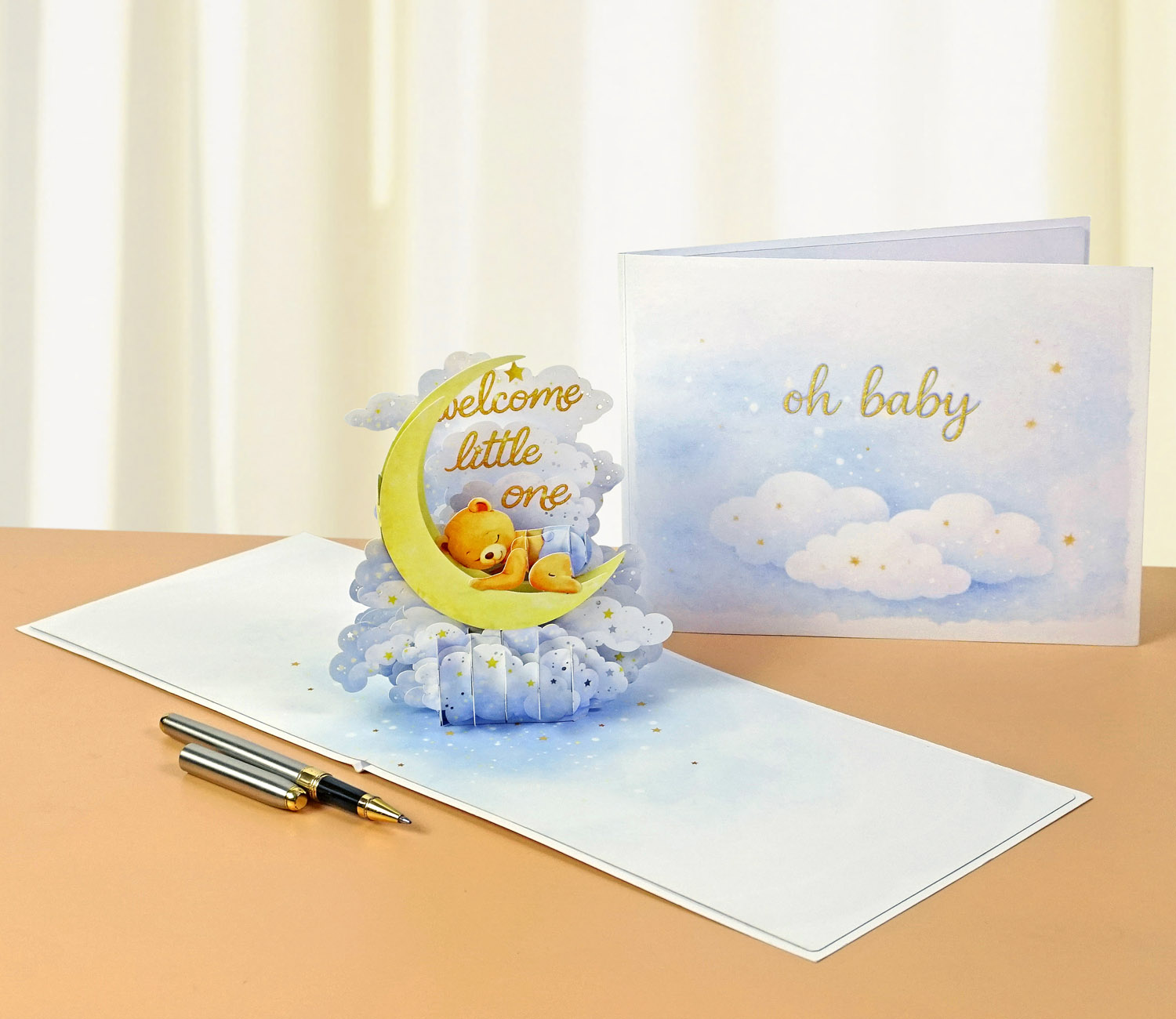
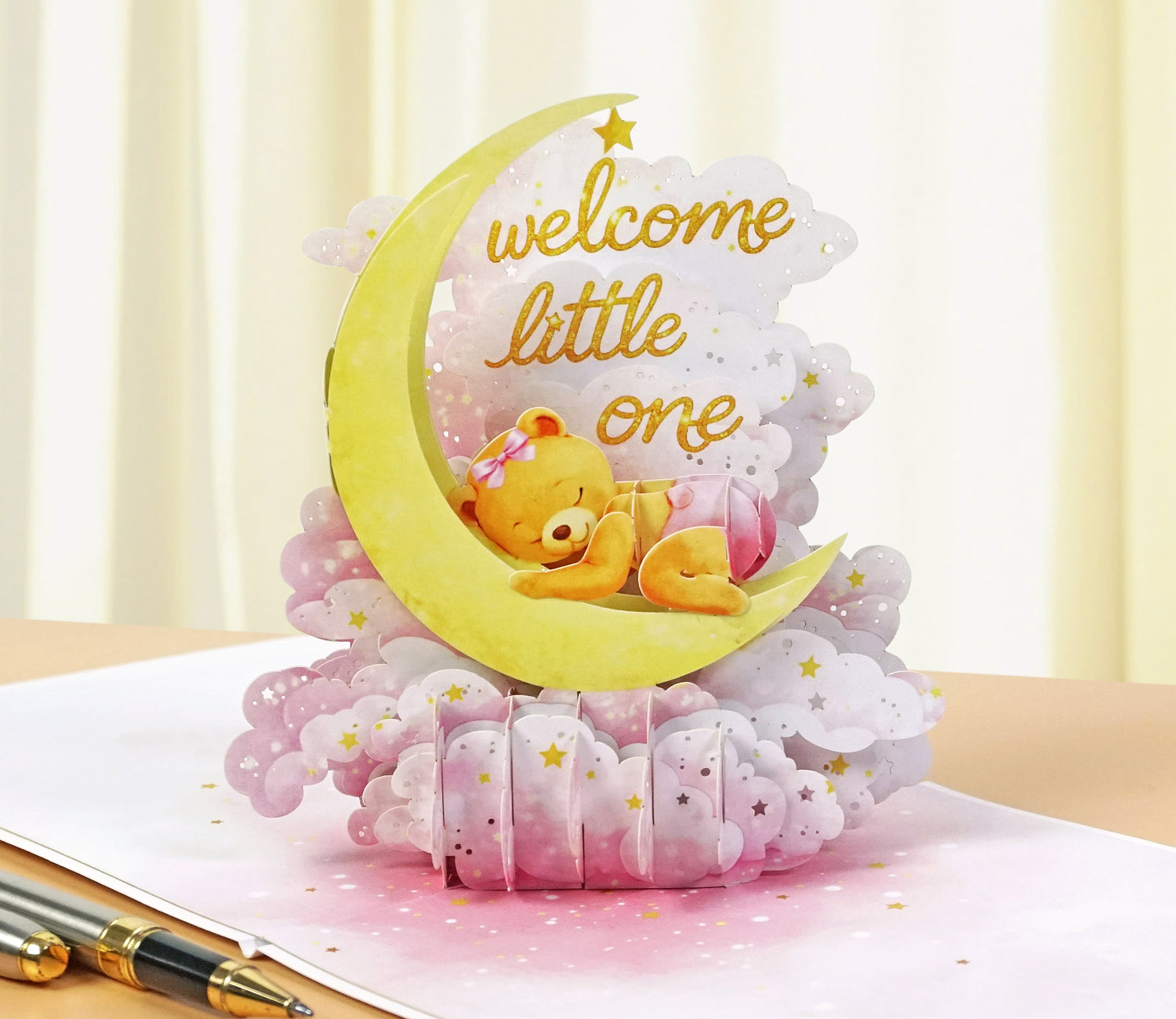
Across European markets, there’s a clear aesthetic trend when it comes to first birthday cards. Customers often seek out designs that feel soft, simple, and sincere. Rather than bright colors and busy patterns, they gravitate toward calm pastels, gentle imagery, and thoughtful layouts. Small animals, stars, rainbows, clouds, and bedtime scenes are perennial favorites.
This preference isn’t about minimalism for its own sake—it’s about authenticity. These quiet, comforting visuals carry a sense of tenderness that aligns perfectly with the occasion. A first birthday isn’t flashy; it’s intimate. A gentle design mirrors that feeling, making the moment feel more heartfelt and genuine.
There’s also a growing appreciation for handmade or hand-drawn elements in card design. Subtle imperfections can make a card feel warmer and more personal, like something crafted with care rather than mass-produced. In a world overflowing with digital imagery, that authenticity stands out.
The Magic of 3D and Pop-Up Cards
In recent years, one of the most delightful trends we’ve noticed is the rising popularity of 3D pop-up cards. They add a touch of surprise and interaction to an otherwise simple gesture. When the card opens, a small scene unfolds—perhaps a baby elephant holding a balloon, a birthday cake rising from the fold, or a tiny carousel spinning in paper form.
These moments of discovery create instant smiles. They turn the act of opening a card into an experience, especially meaningful for parents recording videos or for little ones fascinated by movement and color. It’s not just about what the card shows—it’s about what it does: it engages, delights, and becomes part of the celebration itself.
In many ways, pop-up cards capture the spirit of childhood—unexpected, curious, joyful. That’s why so many families choose them for their child’s first milestone year.
The Message Matters Most
While design draws the eye, the heart of every card is the message inside. What’s written within is what people truly remember.
In European markets, we’ve often seen that buyers prefer messages that feel warm yet understated. Unlike in some cultures where greetings might be exuberant or poetic, European customers tend to favor sincerity over flair. Phrases that express health, happiness, love, and luck resonate most strongly.
Many shoppers spend time crafting their words—sometimes only a few lines—but always thoughtful. Parents, grandparents, and godparents often want to write something the child can one day read for themselves, something that captures what they felt that day. A simple, genuine wish written by hand can hold more meaning than the most elaborate printed verse.
The trend toward personalization underscores this desire for connection. Increasingly, customers ask for custom touches: the child’s name integrated into the design, birth date details, or even a small message printed inside. These details transform the card from a generic greeting into a unique keepsake deeply tied to one family’s story.
Timeless Appeal in a Digital Age
In a world dominated by quick texts and digital posts, choosing and sending a physical card might seem old-fashioned. But that’s precisely what makes it so special. It represents time, intention, and care.
A digital greeting disappears in a scroll. A printed card, on the other hand, can be held, displayed, or tucked safely in a box for years. Parents often tell us they keep their child’s first card in the same memory box as the hospital bracelet or the first pair of shoes. Those cards become tiny time capsules—snapshots of love preserved in paper and ink.
That’s why quality matters. The tactile experience—the thickness of the cardstock, the feel of the print, the way the colors age gracefully—adds to the card’s emotional weight. A well-made card doesn’t just look good on the day; it endures, telling its story again and again with each reminder.
More Than a Product: A Shared Emotion
For us as a retailer, creating or curating first birthday cards has never been only about design or trend. It’s about helping customers express something real in a beautifully simple way. The best cards balance emotion and artistry—they remind people that behind every purchase is a moment that matters profoundly.
Every time a customer clicks “buy,” they’re not just choosing a design; they’re choosing how to say we love you, we’re proud of you, or we’re so glad you’re here. That’s a humbling thing to be part of.
And when we see customers return year after year—second birthday, third birthday, baptism, or new baby—it reminds us why we started in the first place. Cards may be small items, but the memories they carry grow in meaning with time.
Why First Birthday Cards Still Matter
Ultimately, the enduring appeal of first birthday cards lies in their simplicity. They combine beauty, personal expression, and permanence in one small form. At a time when so much of life feels fleeting, they anchor moments that deserve to last.
A well-chosen card bridges generations—it’s something a grandparent writes and a grown child later discovers. It says, you were loved from the start.
And even in a largely digital era, that message—written by hand, sealed in an envelope, and opened with joy—still feels timeless.
Because a first birthday card, no matter how humble, isn’t just stationery. It’s a small work of memory. A lasting reminder that love, when expressed thoughtfully, never goes out of style.
You May Also Be Interested In
Discover the Best Pop Up Christmas Cards Near Me for a Festive Surprise
The Festival of Lights: Illuminating Hearts and Homes with Hanukkah’s Enduring Message
A Beginner’s Guide: How to Make Pop Up Card Easy for Any Occasion