

Love Beyond Borders When 3D Popup Cards Tender Stories
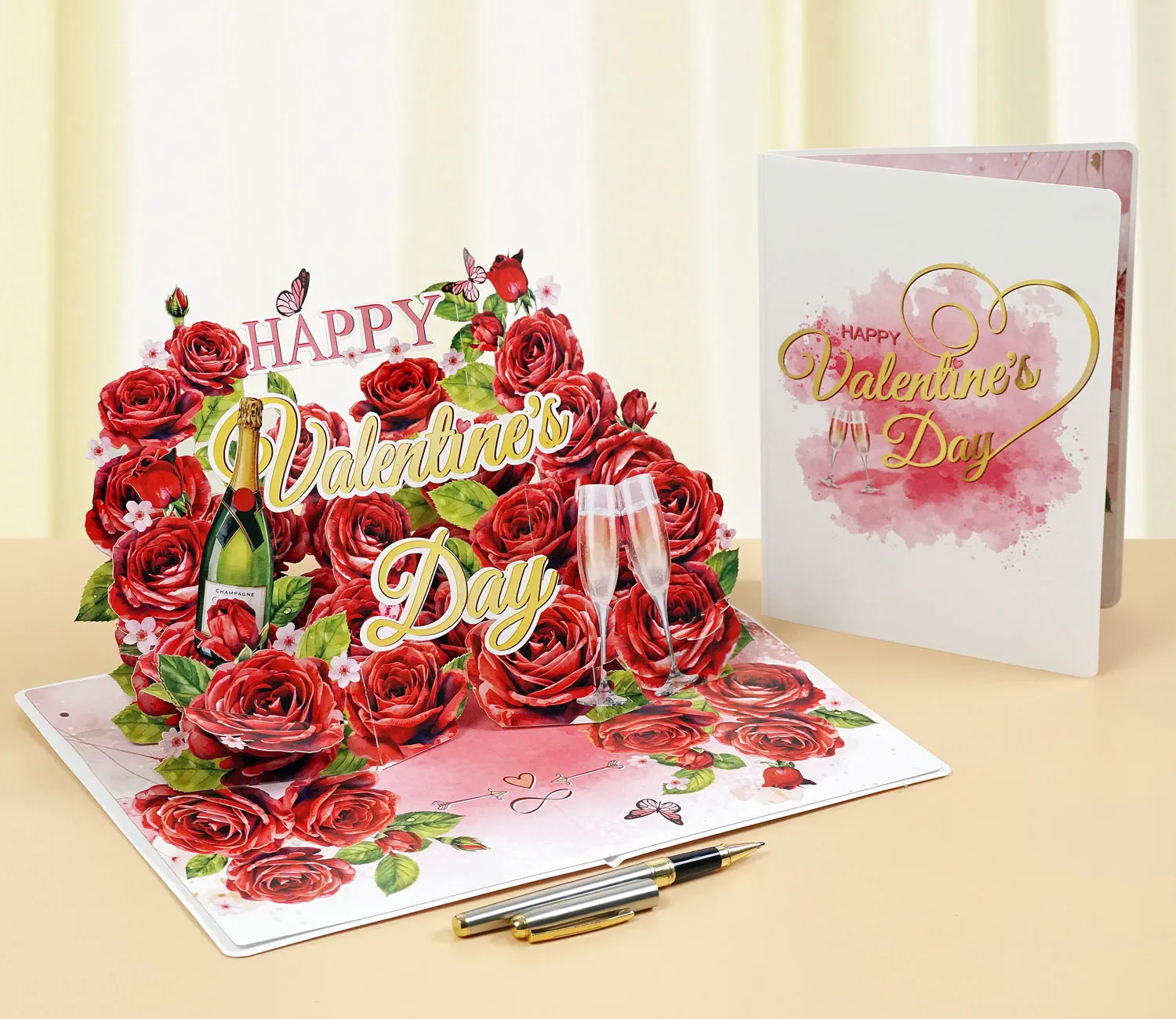
Across Europe, where ancient cities coexist with modern rhythms, love is expressed in countless forms. Valentine’s Day and wedding anniversaries, once shaped by religious and cultural traditions, have grown into occasions that transcend history and geography. Today, they serve as universal reminders to pause, appreciate one another, and acknowledge the emotional ties that quietly sustain our daily lives.
In a society that is becoming increasingly digital, one traditional gesture remains remarkably powerful: giving a card. Yet even this simple gesture has transformed. Far from being a relic of the past, greeting cards have evolved into something more creative, more expressive, and far more meaningful — especially in the form of 3D pop-up cards, which are gaining affection across modern Europe.
In this pace of modern life, many are rediscovering the emotional value of physical gestures. A handwritten message, a carefully chosen design, or the simple act of giving something tangible carries a different form of presence. It lingers. It stays. It makes space for connection, this is exactly why 3D pop-up cards resonate so strongly.
While a flat greeting card still holds sentimental charm, a 3D card offers something more layered literally and emotionally. When opened, it reveals dimension, color, shadow, and movement. It invites the recipient to slow down, explore, and feel. For many Europeans, who are increasingly intentional about nurturing emotional well-being, this moment of discovery becomes a small but meaningful sensory experience.
Love does not need grand declarations. But it does need sincerity, and sincerity is often expressed through attention to detail. A 3D card captures that beautifully.
The Meaning Behind Europe’s Most Beloved Symbols
Europe has always been a continent of stories — stories told through architecture, art, landmarks, and cultural icons. These symbols become even more powerful when they appear inside a 3D pop-up card, carrying messages that words sometimes cannot express.
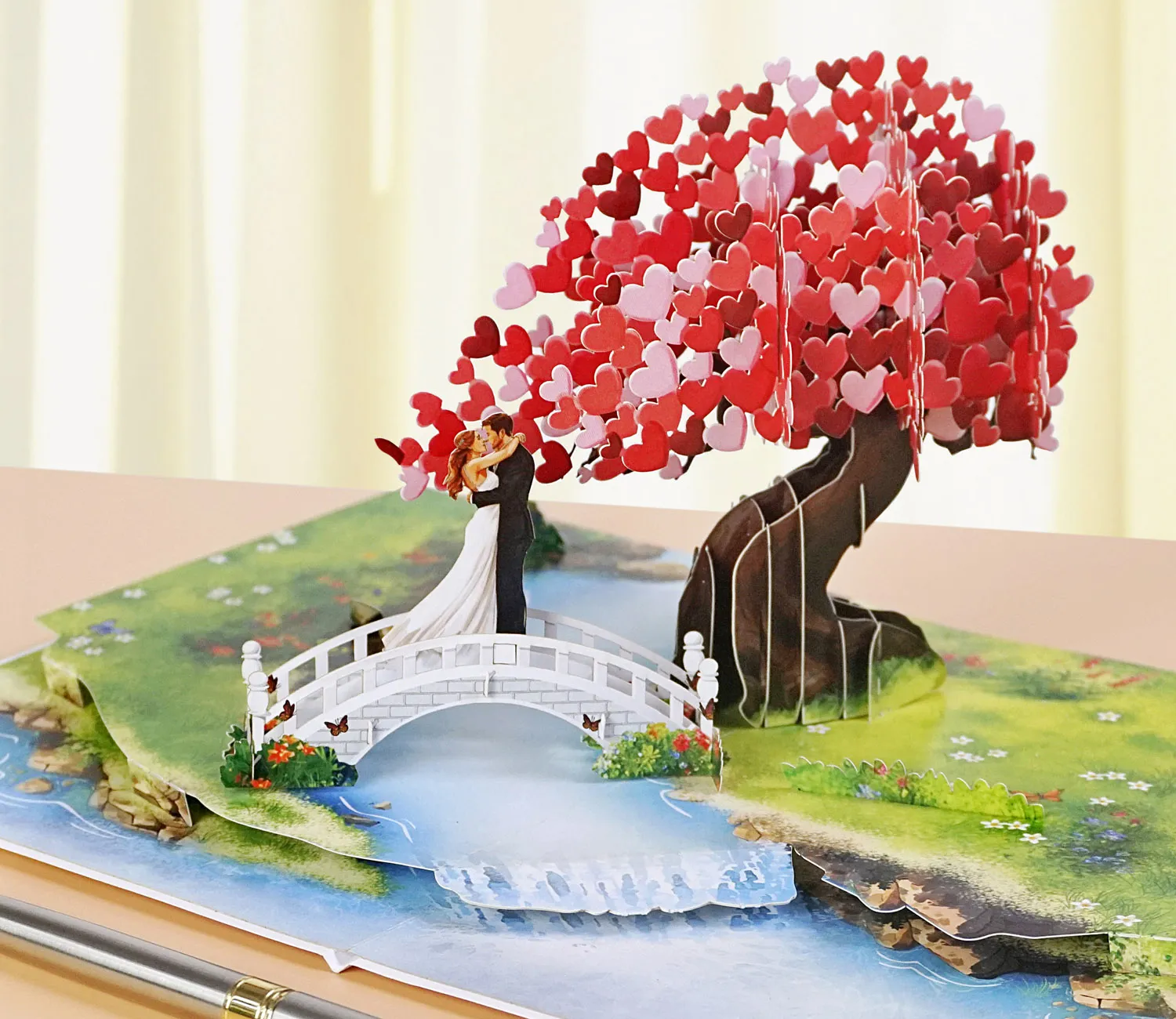
For Valentine’s Day, a pop-up of the Eiffel Tower speaks softly but clearly. It symbolizes romance, hope, shared dreams, and the timeless belief that love can rise above challenges. A miniature Rialto Bridge in Venice evokes memories of walks along quiet canals or promises whispered over gentle water. It becomes not just an image, but a shared place — a reminder of where two hearts have been or where they hope to go.
On wedding anniversaries, Europeans often turn to symbols of strength, harmony, and longevity. A pair of white doves perched together represents peace and unity. A pop-up of Germany’s Neuschwanstein Castle conveys stability and devotion — a sturdy, fairy-tale expression of commitment. These images are not random decorations; each carries emotional weight shaped by history, culture, and generations of storytelling.
In a world where many gifts are consumed quickly and forgotten even faster, a 3D card with deep cultural symbolism becomes a lasting keepsake. Couples place them on bookshelves, bedside tables, or in memory boxes — revisiting them as quiet reminders of their journey together.
Why 3D Cards Matter in Digital Era
Europe is at the center of global conversations about technology, efficiency, and digital transformation. Yet at the same time, many Europeans are increasingly valuing craftsmanship, sustainability, and emotional authenticity. These values explain why 3D pop-up cards have become more than a trend. They represent a balance: modern creativity expressed through traditional craftsmanship.
A 3D card demands involvement both from the designer and the worker, it is carefully cut, folded, and assembled with precision of skill, and the loves. This physical act of engagement makes the emotional message inside the card more memorable.
In a society where communication is often reduced to quick reactions, emojis, or brief messages, the tactile experience of opening a 3D card becomes refreshing. Moreover, 3D cards support a broader social movement of the desire to value artisanal work, sustain local craftsmanship, and appreciate artistic creativity in everyday objects. Choosing such a card can be a small but meaningful act of cultural appreciation.
A Personal Gesture That Speaks Louder Than Words
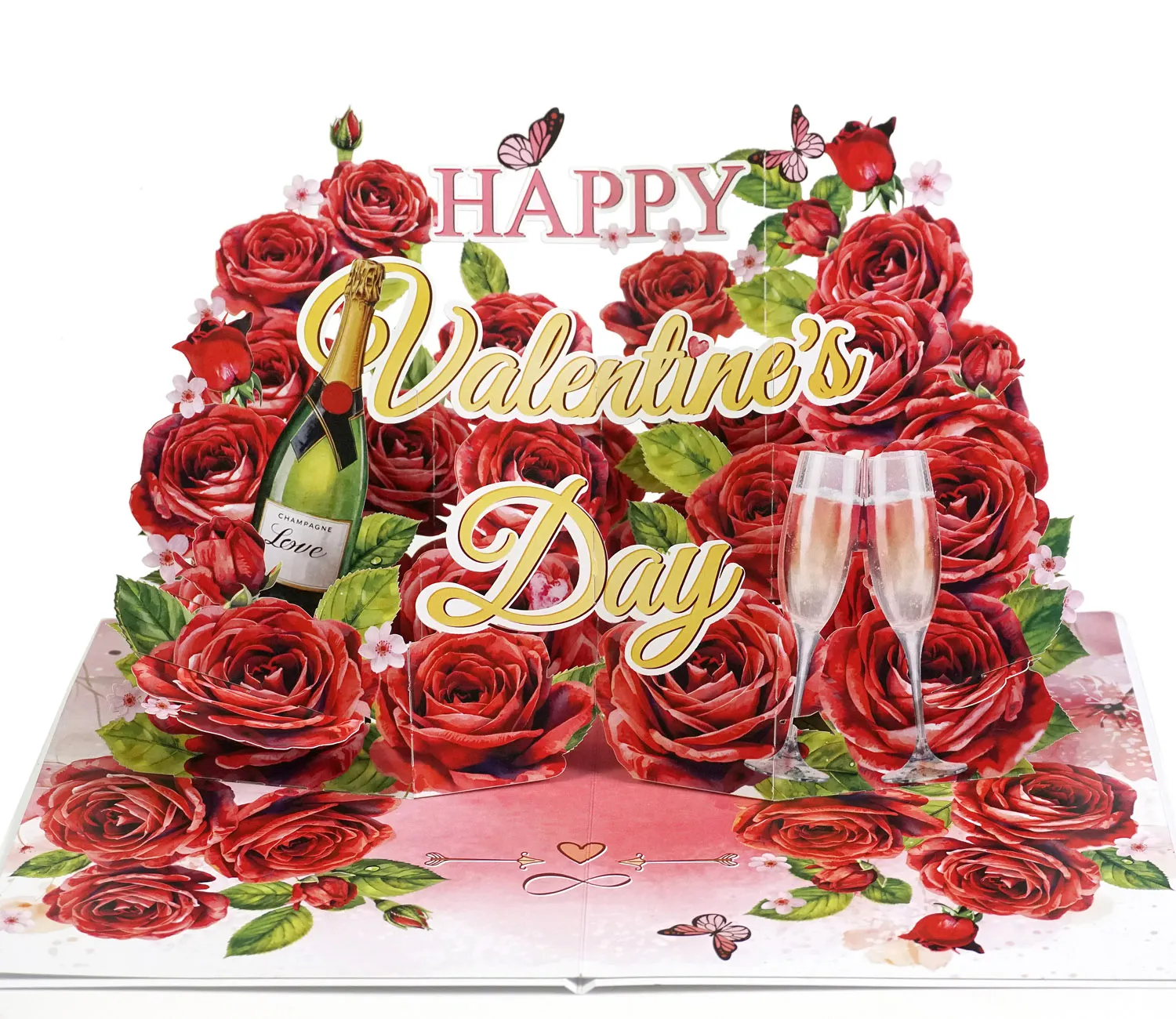
The gesture of giving a 3D card for Valentine’s Day or a wedding anniversary carries a personal message that goes far beyond the written note. It says: “I chose this for you, and I thought about you.” These cards are not chosen out of convenience. They are chosen out of intention.
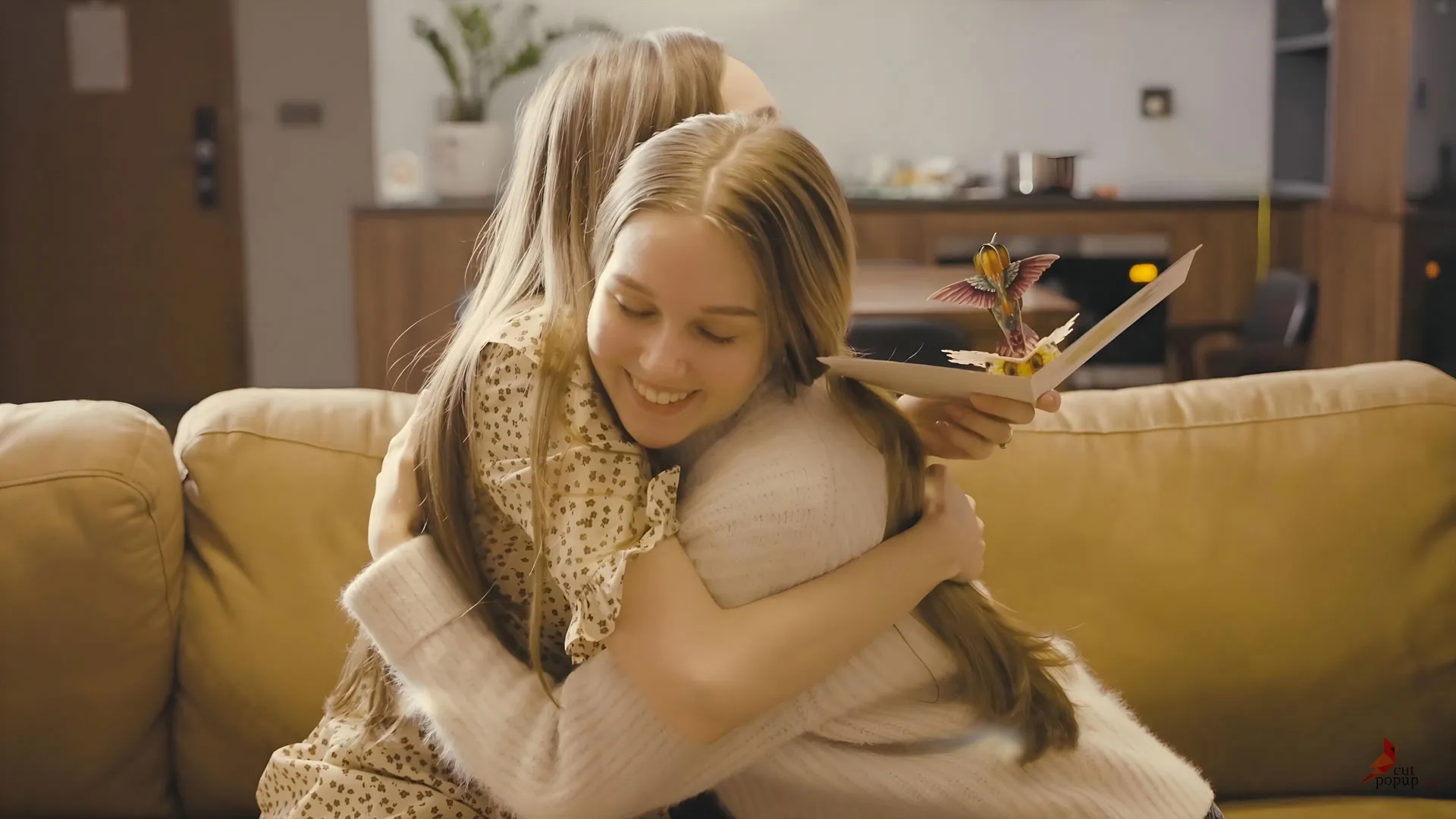
For many couples, the moment the card opens is the beginning of a shared emotional experience. There is surprise, delight, and often a wave of tenderness that follows. The card becomes part of the story — a physical fragment of affection that remains long after the celebration.
And perhaps this is why 3D cards are becoming so cherished in Europe. They remind people that relationships thrive not only on big milestones, but also on small, thoughtful gestures that bring warmth into ordinary days.
A 3D pop-up card bridges tradition and modernity, turning a familiar gesture into something vibrant, tactile, and deeply symbolic.
So when the next Valentine’s Day arrives, or when a meaningful anniversary is approaching, consider choosing a 3D card that mirrors your own story. Let it represent the journey you’ve taken, the memories you cherish, and the promises you still hold. Let it stand as a reminder that love is not meant to be rushed — it is meant to be felt.
You May Also Be Interested In
The German Way of Giving Christmas Cards: Between Tradition and Modern Connection
What do you know about daffodils?
A Beginner’s Guide: How to Make Pop Up Card Easy for Any Occasion